
Table of Contents
- Two Paths to the Same Goal
- What Mat Pilates Actually Involves
- What Reformer Pilates Adds
- Resistance Is the Real Difference
- Cost and Space Compared
- Which One Builds Strength Faster
- Can You Do Both
- Comparison at a Glance
- Frequently Asked Questions
- The Bottom Line
Two Paths to the Same Goal
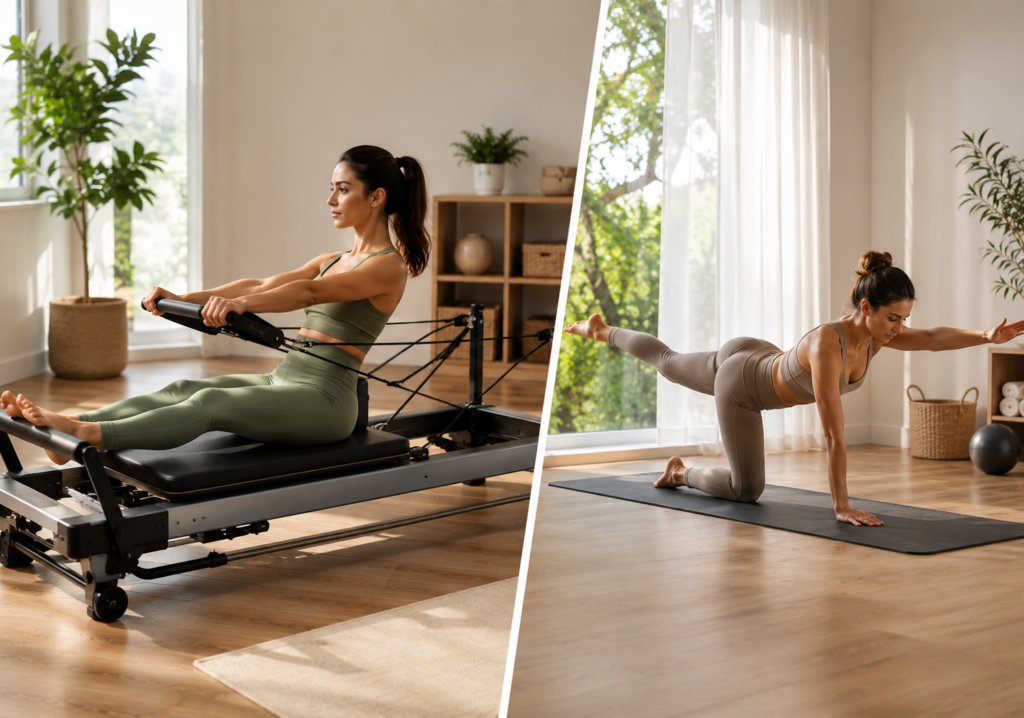
Mat Pilates and reformer Pilates share the same core principles, controlled movement, breath, and a strong center. Where they differ is equipment, resistance, and how quickly you feel results.
Neither one is universally better. The right answer depends on your body, your space, and your budget.
What Mat Pilates Actually Involves
Mat Pilates uses just your body weight and gravity as resistance, performed on a floor mat with no machine involved. Classic moves like the hundred, roll-up, and leg circles all fall under this category.
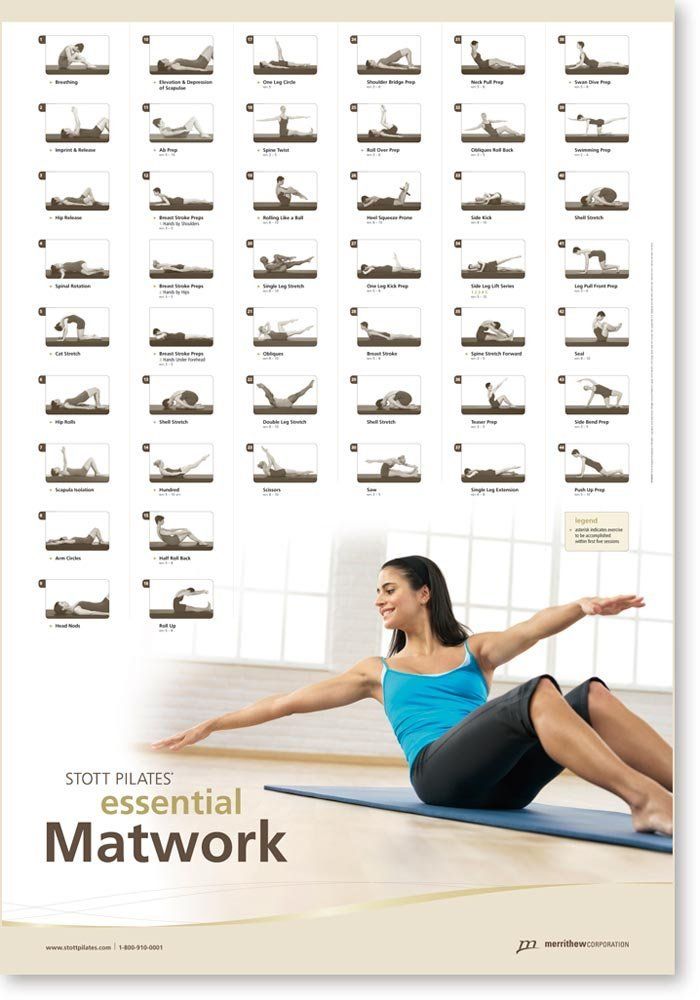
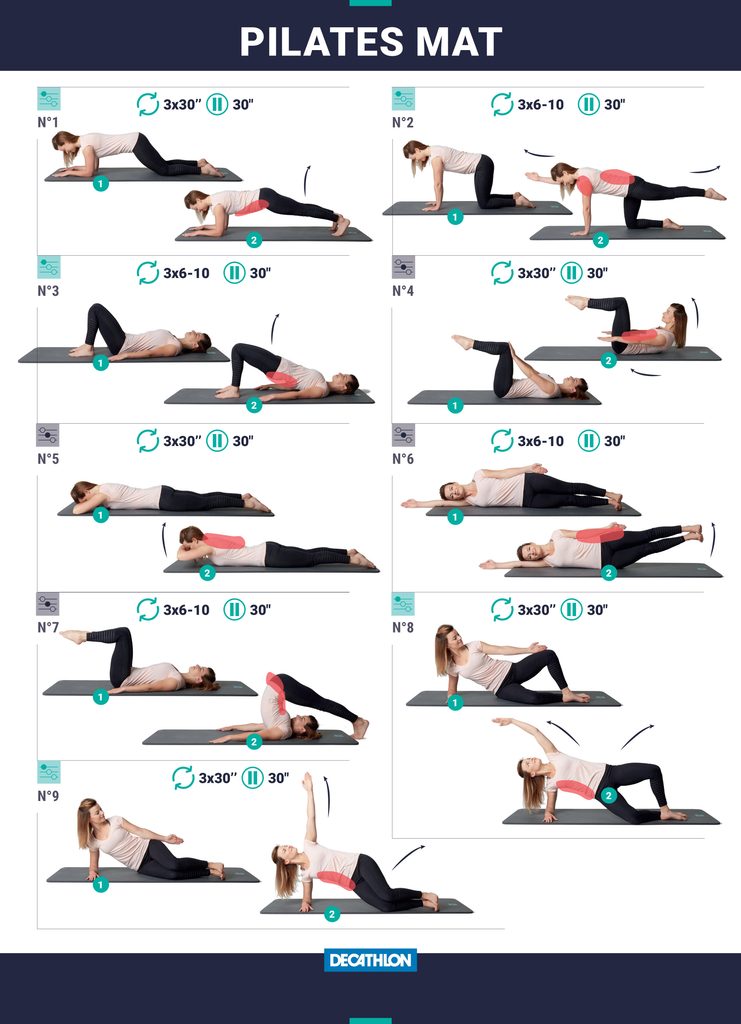
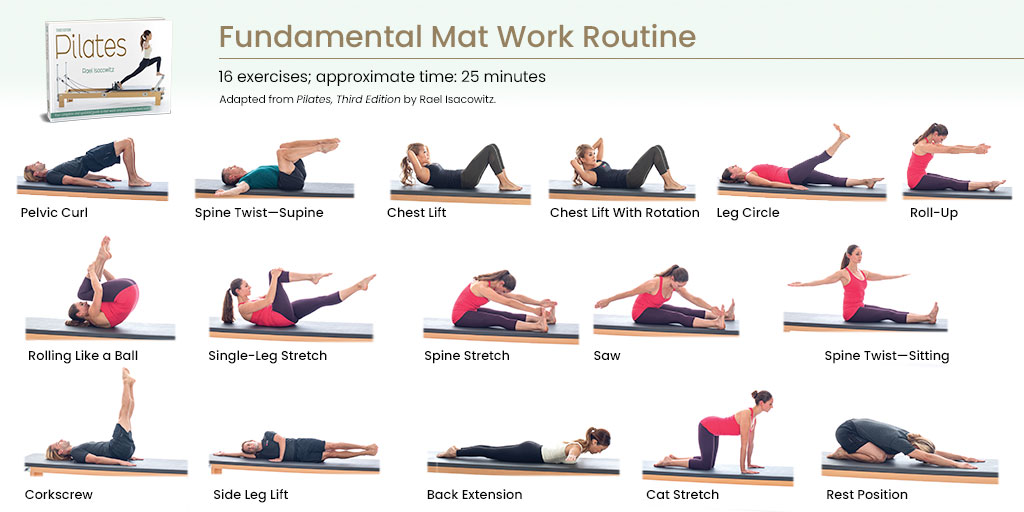
It requires zero equipment beyond a mat, which makes it the easiest style to start immediately, anywhere, with no purchase required at all.
What Reformer Pilates Adds
Reformer Pilates introduces a sliding carriage and adjustable resistance, either through actual springs on a studio machine or cables and gliders on a portable board like 28Pilates.

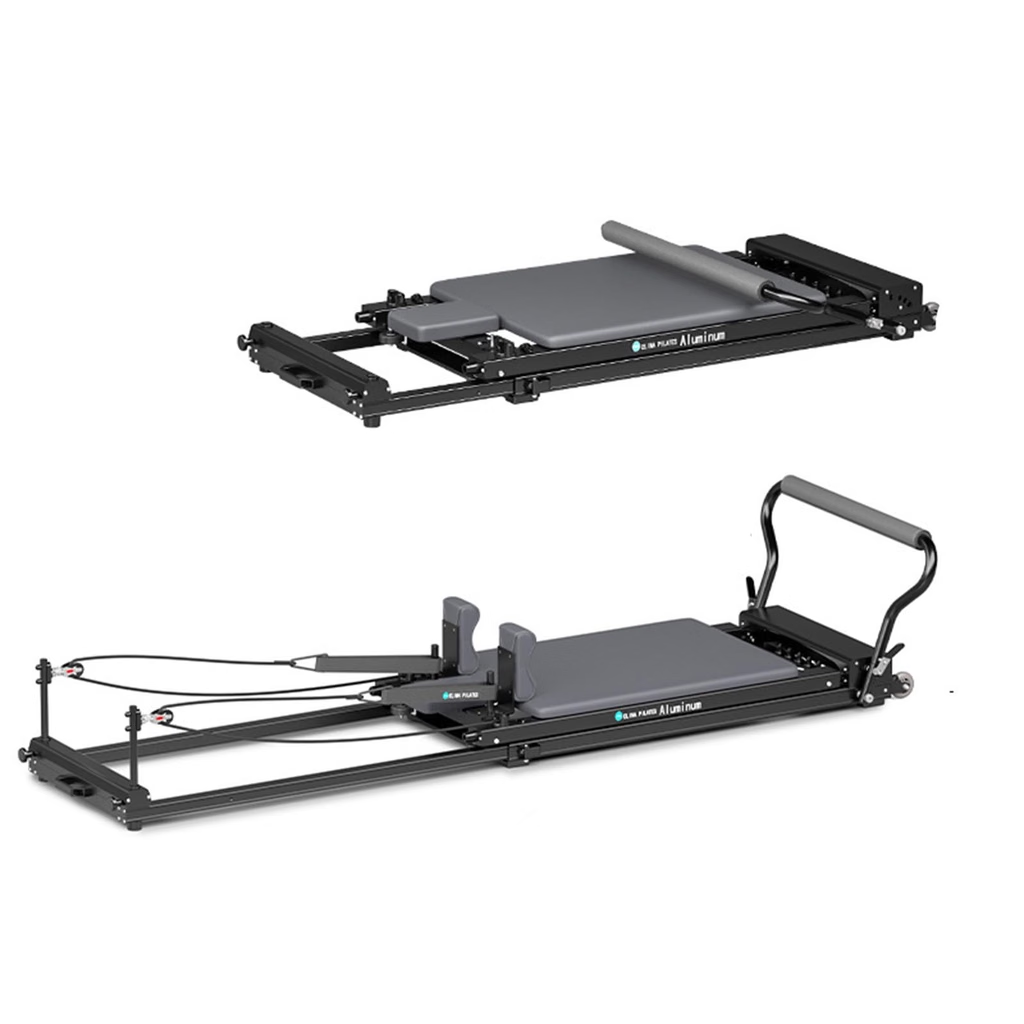

That added resistance lets you scale intensity up or down within a single session, something mat work cannot do without adding external props like bands or weights.
Resistance Is the Real Difference
This is the core distinction. Mat Pilates relies entirely on your own body weight, gravity, and control. There is no dial to turn up when a movement gets too easy.
Reformer work adds adjustable, external resistance through the carriage system. You can make a movement harder mid-session just by changing tension, which gives it a training range that mat work simply cannot replicate on its own.
Cost and Space Compared
Mat Pilates costs close to nothing. A mat, maybe a resistance band, and you are set. It also travels anywhere, hotel rooms, living rooms, parks.
Reformer Pilates asks for more investment. A studio reformer runs $3,000 to $5,000 and needs dedicated floor space. A portable board like 28Pilates sits far lower, typically $100 to $300, and folds flat for storage, closing much of that cost and space gap for home use.
Which One Builds Strength Faster
Neither wins outright here, they build strength differently. Mat Pilates develops deep core control and body awareness through pure bodyweight work, which is genuinely challenging on its own once form gets serious.
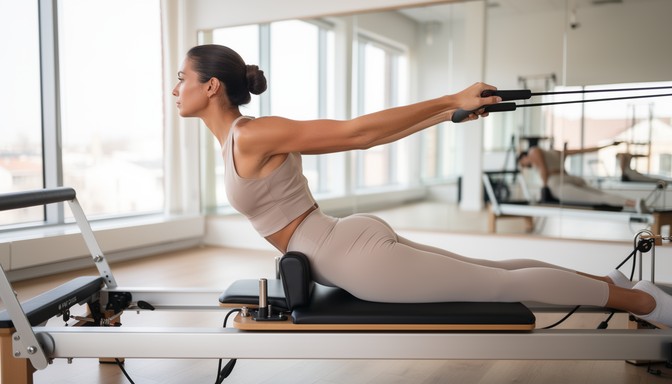
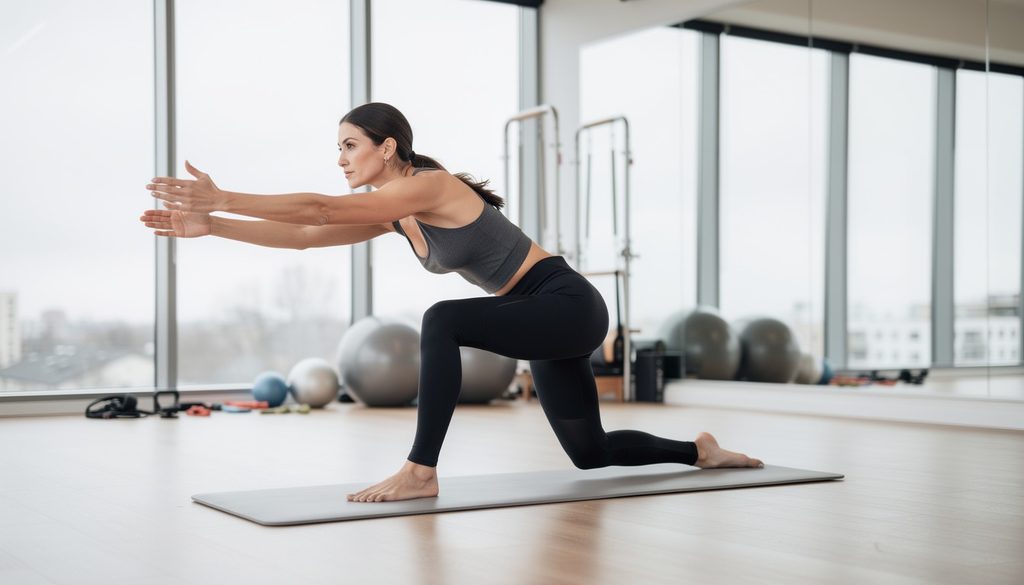

Reformer work tends to build strength faster for beginners specifically, because the resistance and sliding carriage guide proper form and engage more muscle groups per movement, which shortens the learning curve compared to mat work done without supervision.
Can You Do Both
Yes, and many people do. A common approach is reformer sessions for structured, resistance-based training a few times a week, with mat Pilates filling in on lighter days or during travel when a board is not available.
28Pilates guided app actually includes both formats, structured reformer programs alongside mat Pilates sessions, which makes switching between the two within one system straightforward rather than needing separate resources for each.
Comparison at a Glance
| Mat Pilates | Reformer Pilates | |
|---|---|---|
| Equipment needed | Just a mat | Reformer board or machine |
| Typical cost | Free to minimal | $100 to $300 portable, $3,000+ studio |
| Resistance | Body weight only | Adjustable, external |
| Space required | Minimal, portable | Small for portable board, dedicated for studio |
| Best for | Beginners, travel, no-equipment days | Structured resistance training, faster progression |
| Learning curve | Steeper without guidance | Often easier with guided resistance |
Frequently Asked Questions
Is reformer Pilates better than mat Pilates for beginners? Often, yes. The adjustable resistance and sliding carriage help guide proper form, which can shorten the learning curve compared to unsupervised mat work.
Can mat Pilates build real strength without equipment? Yes. It relies entirely on body weight and control, and advanced mat sequences are genuinely demanding once form is solid.
Is a portable reformer a good substitute for a studio machine? It replicates the movement patterns well for home use at a fraction of the cost and space, though it does not fully match a studio machine’s spring-loaded resistance.
Do I have to choose only one style? No. Many people combine both, using reformer sessions for structured resistance training and mat Pilates for lighter or travel days.
Which is cheaper to start, mat or reformer? Mat Pilates, by far. It requires no equipment beyond a mat, while reformer work needs either a portable board or a studio membership.
The Bottom Line
Mat Pilates and reformer Pilates are not competitors, they are two different tools for the same underlying goal. Mat work is free, portable, and demanding in its own right. Reformer work adds adjustable resistance that often speeds up progress, especially for beginners, at a cost that has come down significantly with portable boards. The best routine for most people blends both, structured reformer sessions when possible, mat Pilates filling the gaps.
Ready to see how a portable reformer fits into your routine? Check out 28Pilates here.