Table of Contents
- Why This Comparison Actually Matters
- How a Regular Back-Clip Harness Works
- How a No-Pull Front-Clip Harness Works
- The Physics Behind Why It Works
- Which One Actually Trains Better Behavior
- Downsides Worth Knowing About Each
- Can You Get Both in One Harness?
- Comparison at a Glance
- Frequently Asked Questions
- The Bottom Line
Why This Comparison Actually Matters
Not every harness on the shelf does the same job, even though they can look nearly identical at a glance. The difference comes down to one small detail, where the leash actually clips on, and that detail changes how your dog physically experiences every pull.
Getting this choice right can be the difference between a walk that feels like a tug-of-war and one that actually feels manageable.
How a Regular Back-Clip Harness Works
A standard, back-clip harness attaches the leash between the shoulder blades, up on the dog’s back. This is the most common harness design, and it distributes pressure evenly across the torso rather than the neck, which already makes it gentler than a plain collar.
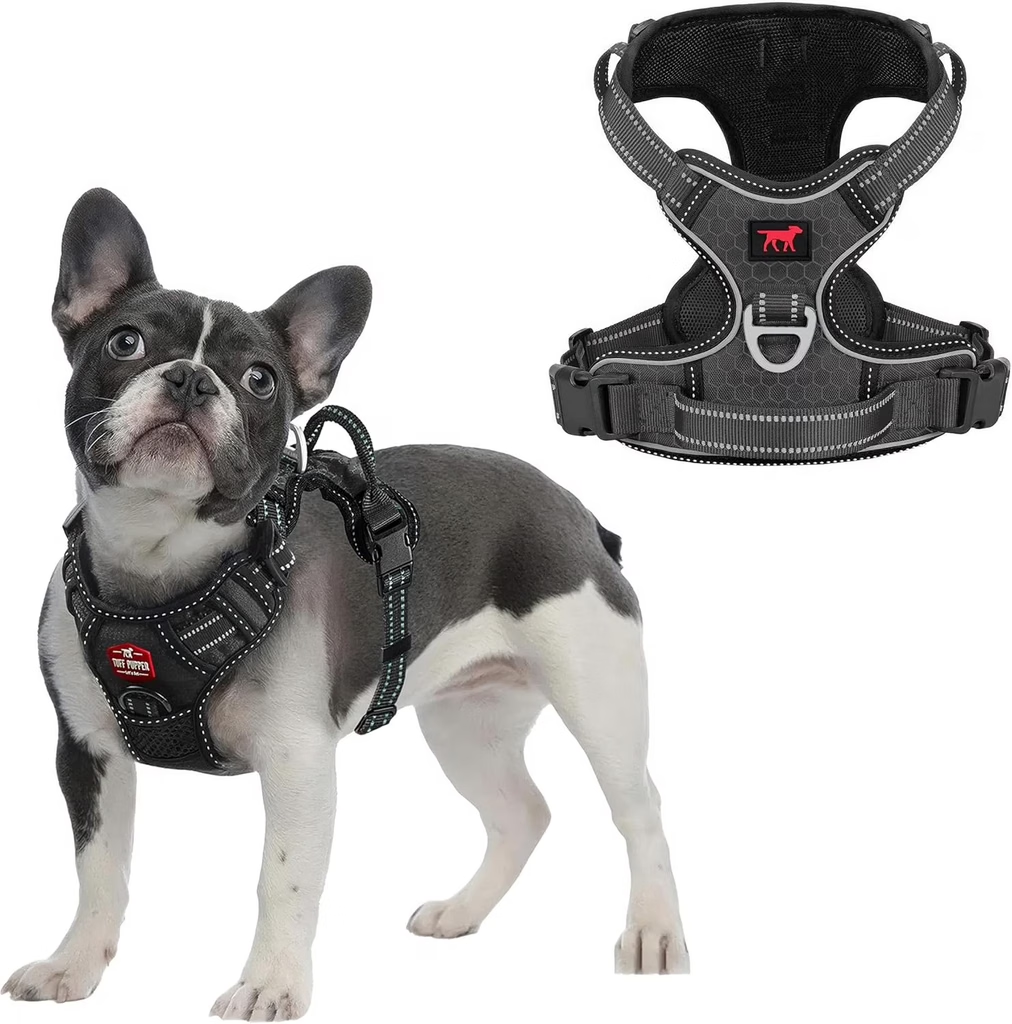
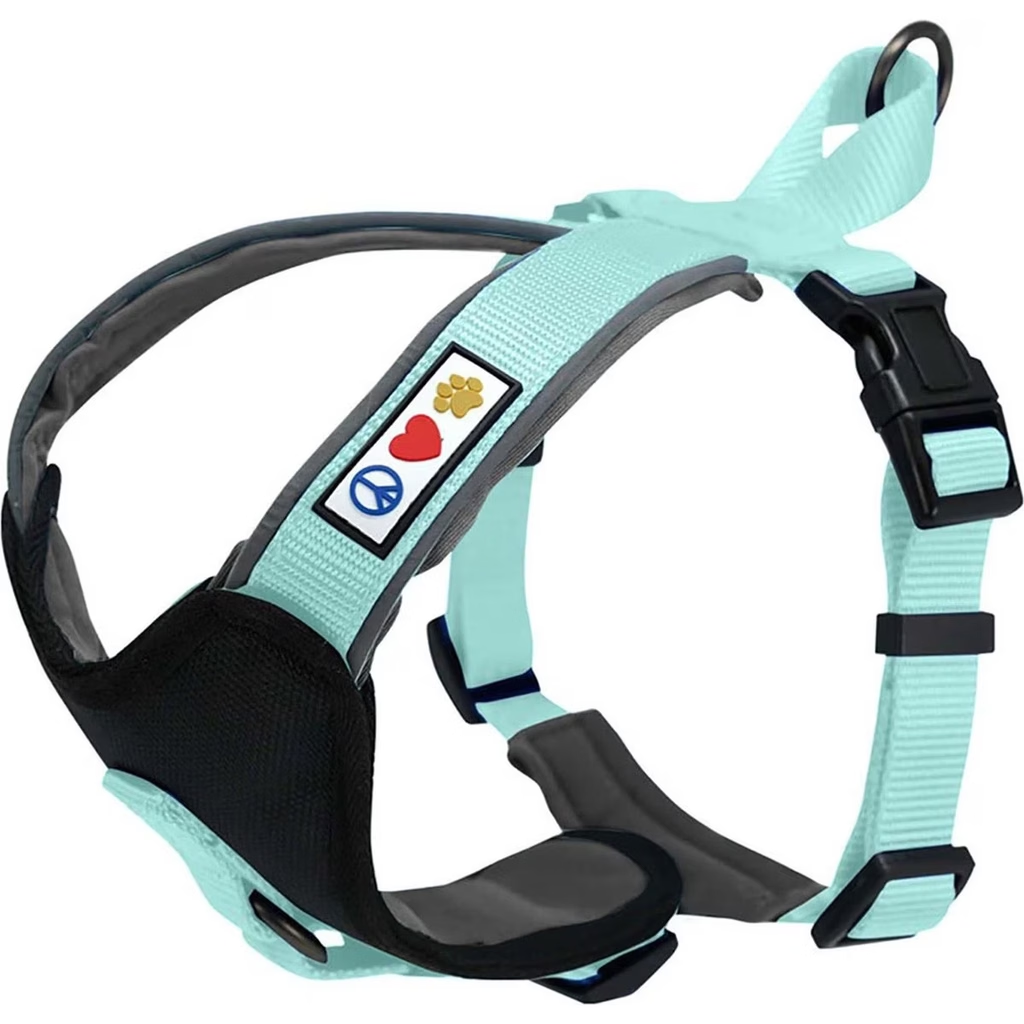
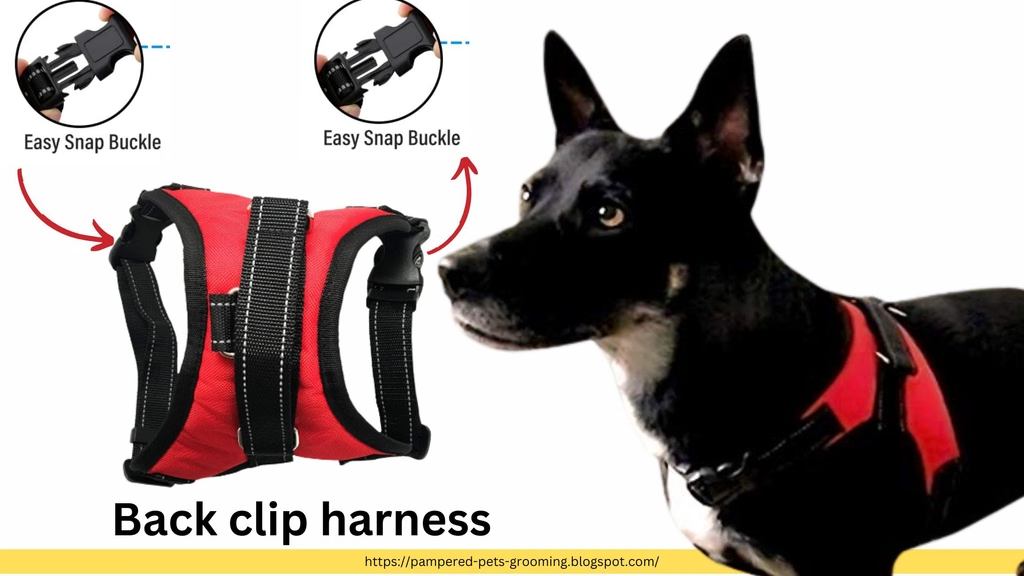
The catch is in how it interacts with pulling specifically. With a back clip, the leash follows the dog’s natural forward movement, offering almost no resistance to pulling. For a dog that already walks well, that’s a genuine comfort advantage. For a strong puller, it can actually work against you, some dogs lean into that steady back pressure the same way a sled dog leans into a harness built for towing.
How a No-Pull Front-Clip Harness Works
A front-clip, or no-pull, harness moves the leash attachment to the dog’s chest instead. When the dog pulls forward, that chest attachment creates a turning effect, redirecting the dog’s body slightly sideways and back toward the handler rather than letting them keep charging ahead.


This is where the “no-pull” name actually comes from. It’s not that the dog physically can’t pull, it’s that pulling becomes far less effective and comfortable for the dog to keep doing, which naturally discourages the behavior over repeated walks.
The Physics Behind Why It Works
The mechanism here isn’t guesswork, it’s straightforward physics. When force is applied from the chest rather than the back, forward momentum gets redirected sideways instead of translating cleanly into forward motion.
That redirection is what trainers refer to when they say front-clip harnesses give you “power steering” over a dog’s shoulders rather than being dragged by their hindquarters. It’s a mechanical solution to pulling, not a punishment-based one, no discomfort or correction involved, just a design that makes pulling physically less rewarding.
Which One Actually Trains Better Behavior
For dogs actively working on leash manners, front-clip designs are widely recommended by trainers specifically because they interrupt pulling in the moment it happens, giving immediate, consistent feedback that helps a dog learn faster. Some pet owners report a noticeable change within the first few walks, a dog that pulls hard, gets redirected sideways, and starts checking back over its shoulder before pulling again.
For a dog that already walks calmly on a loose leash, a back-clip harness is often perfectly sufficient, and some dogs find the more natural, less-redirected feel genuinely more comfortable for long walks or hikes where there’s little pulling to correct in the first place.
Downsides Worth Knowing About Each
Neither style is flawless, and it’s worth knowing the tradeoffs before choosing. Front-clip harnesses can occasionally tangle the leash between a dog’s legs if they move side to side frequently, and the chest strap needs to sit correctly, not too low, or it can restrict natural shoulder movement over a long walk.
Back-clip harnesses, meanwhile, offer little to no pulling deterrent for a strong, determined puller, and for those dogs specifically, the back position can actually give them more leverage to lean into rather than less.
Can You Get Both in One Harness?
Yes, and for a lot of owners this is the most practical answer of all. Doggy Kingdom’s no-pull harnesses are built with full-body coverage and a top handle for quick control, the kind of design that works well as a dual-purpose option, useful for both structured training walks and calmer, everyday outings without needing to own two separate harnesses.
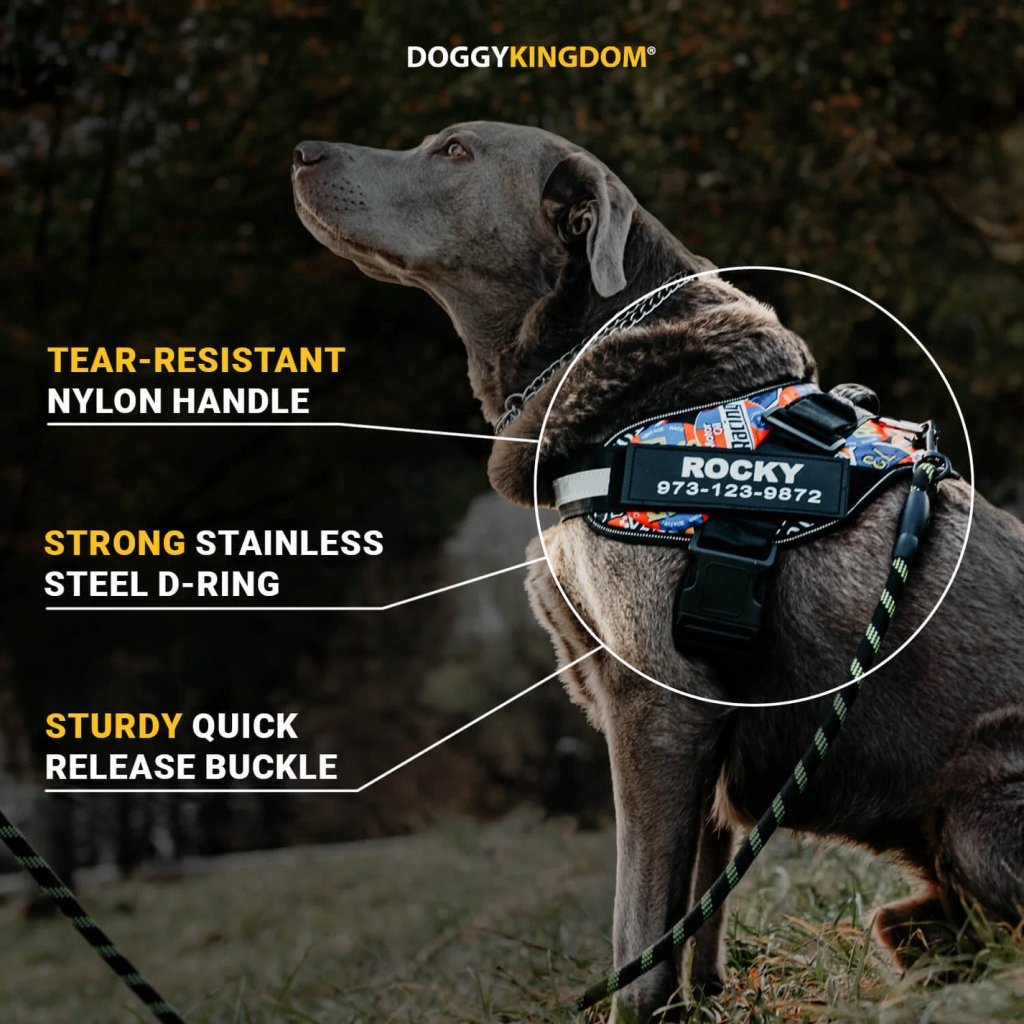
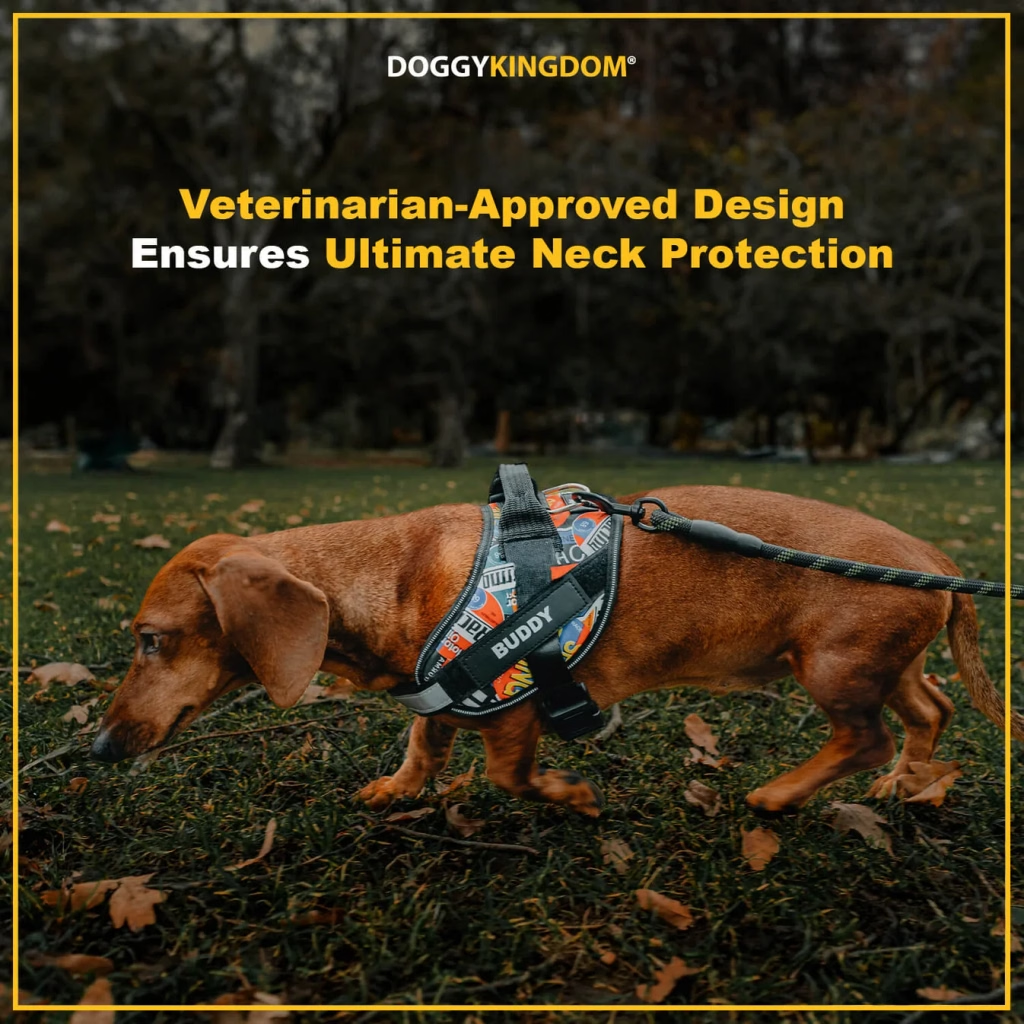
A dual-clip design, front for busy streets or active training, back for the park once your dog’s behavior improves, is genuinely the most versatile setup if you don’t want to commit to just one style permanently.
Comparison at a Glance
| No-Pull (Front-Clip) | Regular (Back-Clip) | |
|---|---|---|
| Leash attachment | Chest | Between the shoulder blades |
| Best for | Dogs learning leash manners, strong pullers | Dogs that already walk well |
| Pulling deterrent | Redirects momentum, discourages pulling | Minimal, follows natural movement |
| Comfort for calm dogs | Can feel slightly restrictive | Generally more natural and free |
| Training speed | Faster feedback, immediate redirection | Slower, relies on separate training |
| Downsides | Possible leash tangling between legs | Little control over strong pullers |
Frequently Asked Questions
Is a front-clip harness always better than a back-clip harness? Not universally. Front-clip is generally better for active training and strong pullers, while back-clip is often more comfortable for dogs that already walk calmly and don’t need pulling correction.
Does a no-pull harness hurt or restrict my dog? No, when properly fitted. It redirects momentum through physics, not force or pressure, so there’s no pain involved, just a design that makes pulling less effective.
Can I switch between front-clip and back-clip as my dog improves? Yes. A common approach is starting with front-clip for training, then transitioning to back-clip for casual walks once your dog reliably walks on a loose leash for several weeks.
Why does my dog tangle the leash with a front-clip harness? This can happen if your dog moves frequently from side to side. It’s a known minor downside of front-clip designs, though it typically improves as the dog gets used to the harness.
Do dual-clip harnesses actually work well for both purposes? Yes. A harness with both a front and back D-ring gives you the flexibility to use front-clip for training or high-distraction walks and back-clip for calmer, everyday outings.
The Bottom Line
No-pull and regular harnesses solve two different problems, and the right choice comes down to where your dog currently stands on leash manners. A front-clip design gives you real, physics-based control for a dog still learning not to pull, while a back-clip harness offers a more natural, comfortable fit for a dog that already walks well. If you’re not sure which camp your dog falls into, a dual-clip harness removes the guesswork entirely, letting you adjust as your dog’s walking habits improve over time.