
Table of Contents
- The Headline vs the Reality
- How RFID Skimming Actually Works
- What the Real Data Actually Shows
- Why It Rarely Happens in Practice
- Where the Real Risk Actually Sits
- The Case for Buying One Anyway
- When You Genuinely Don’t Need to Worry
- Comparison at a Glance
- Frequently Asked Questions
- The Bottom Line
The Headline vs the Reality
“Thieves can steal your card info just by walking past you.” That line has sold a lot of wallets over the past decade, and it sounds alarming enough that most people never question it. It’s worth actually questioning it.
The honest answer is more nuanced than either the scary headlines or the marketing copy suggests, and it’s worth understanding both sides before deciding whether an RFID-blocking wallet earns a place in your pocket.
How RFID Skimming Actually Works
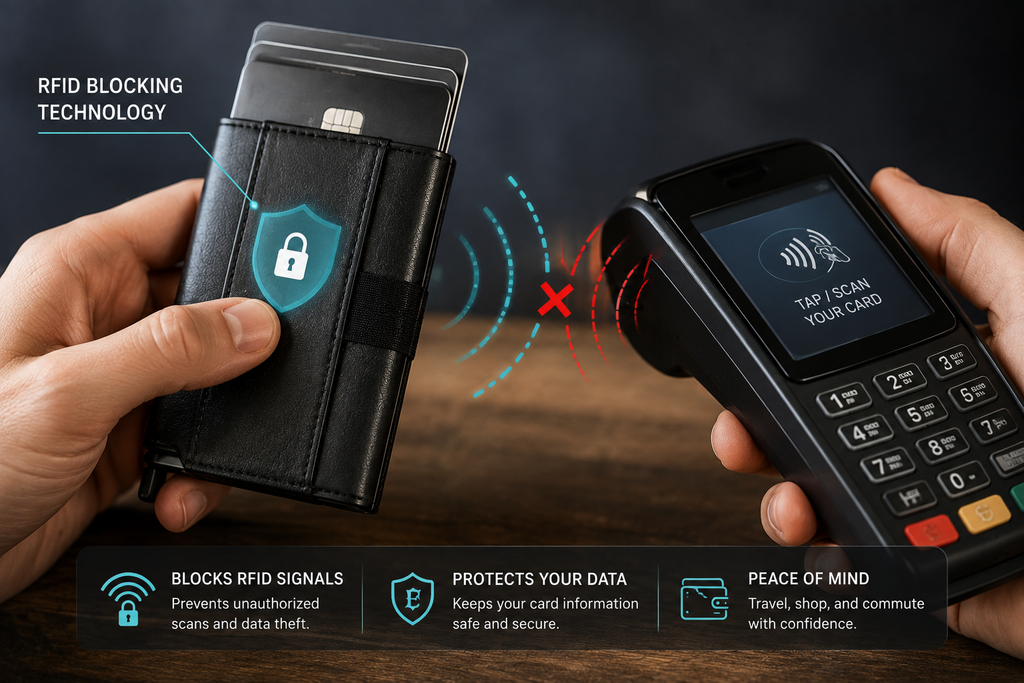
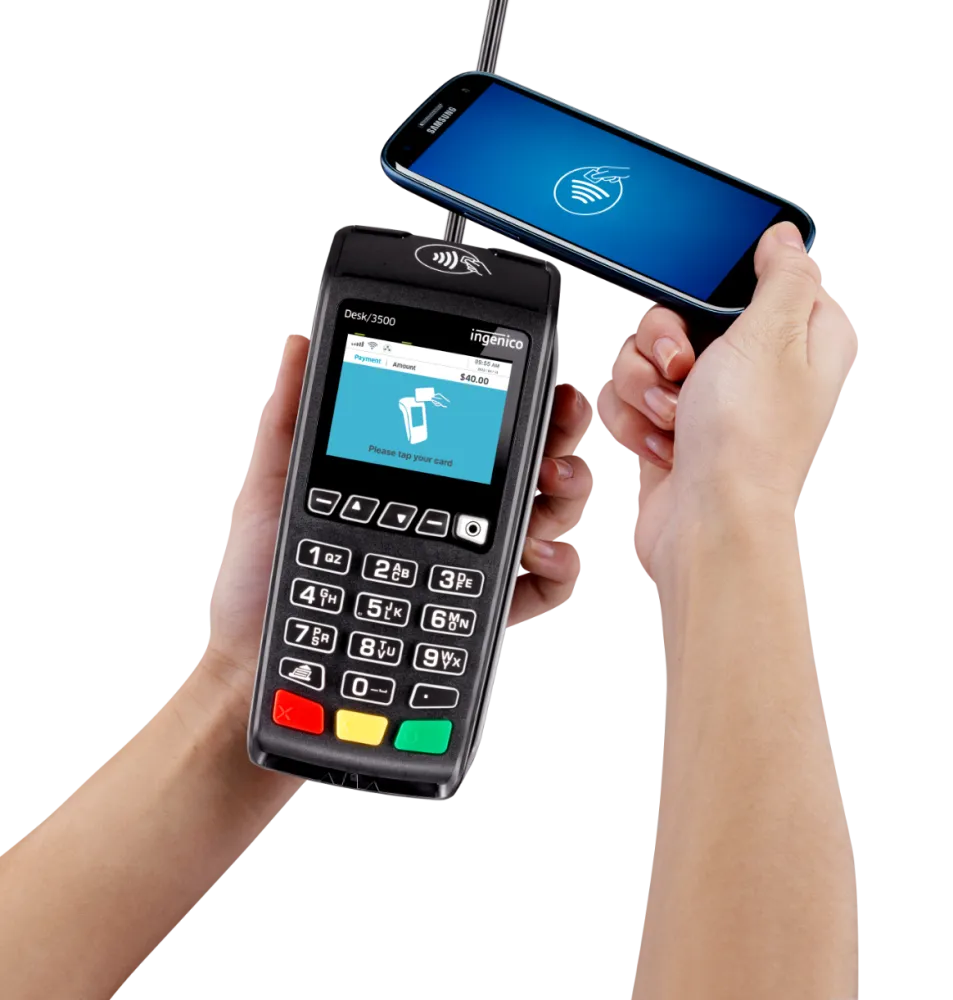
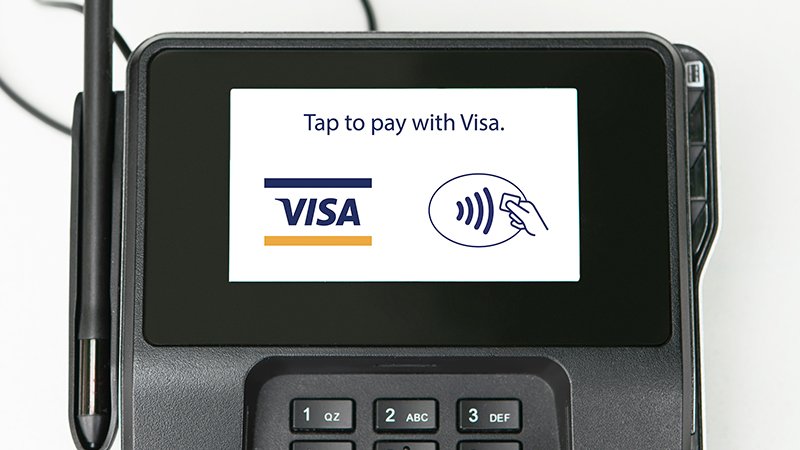
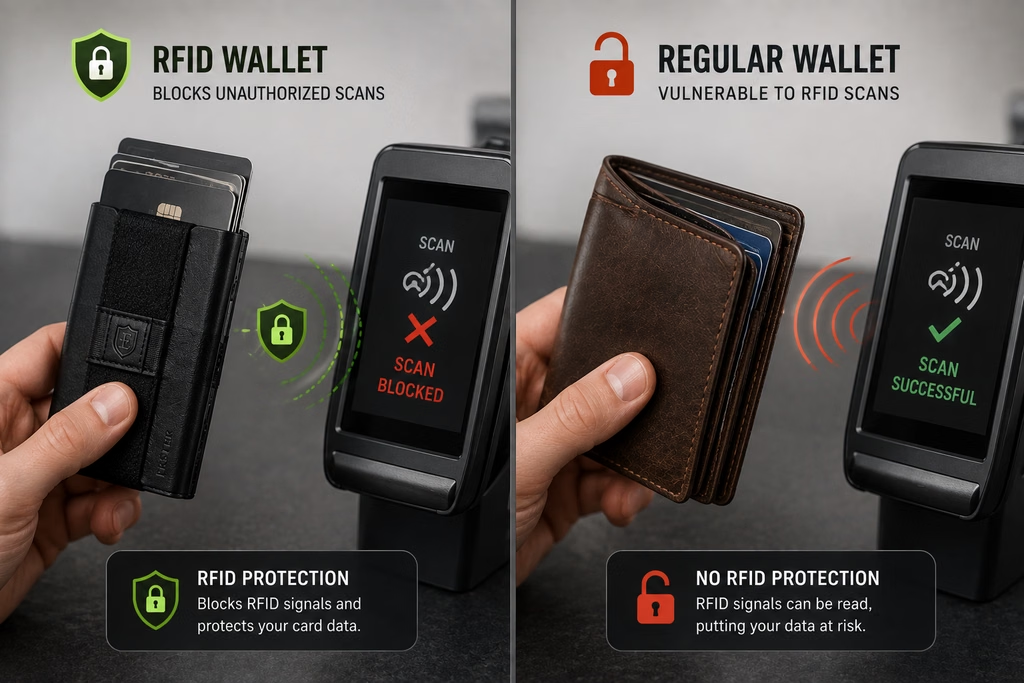
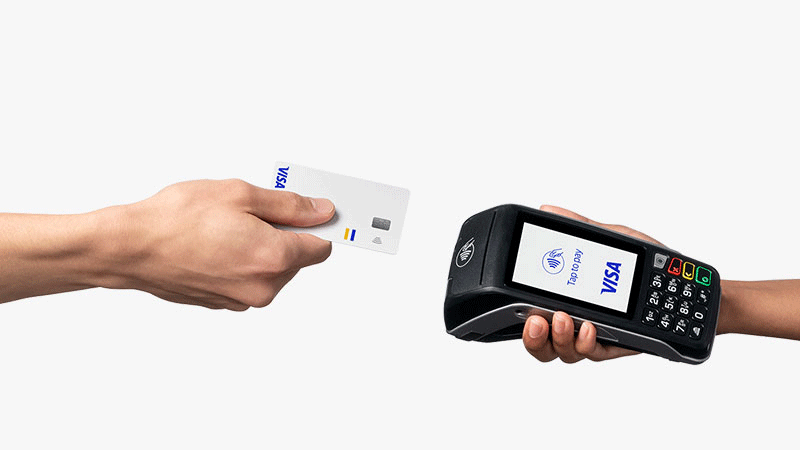
RFID, radio-frequency identification, lets your contactless card or passport communicate wirelessly over very short distances, the same technology behind tap-to-pay. A thief carrying a concealed RFID reader could theoretically walk close enough in a crowded space, a subway, a tourist attraction, to capture data from a card through a wallet or pocket.
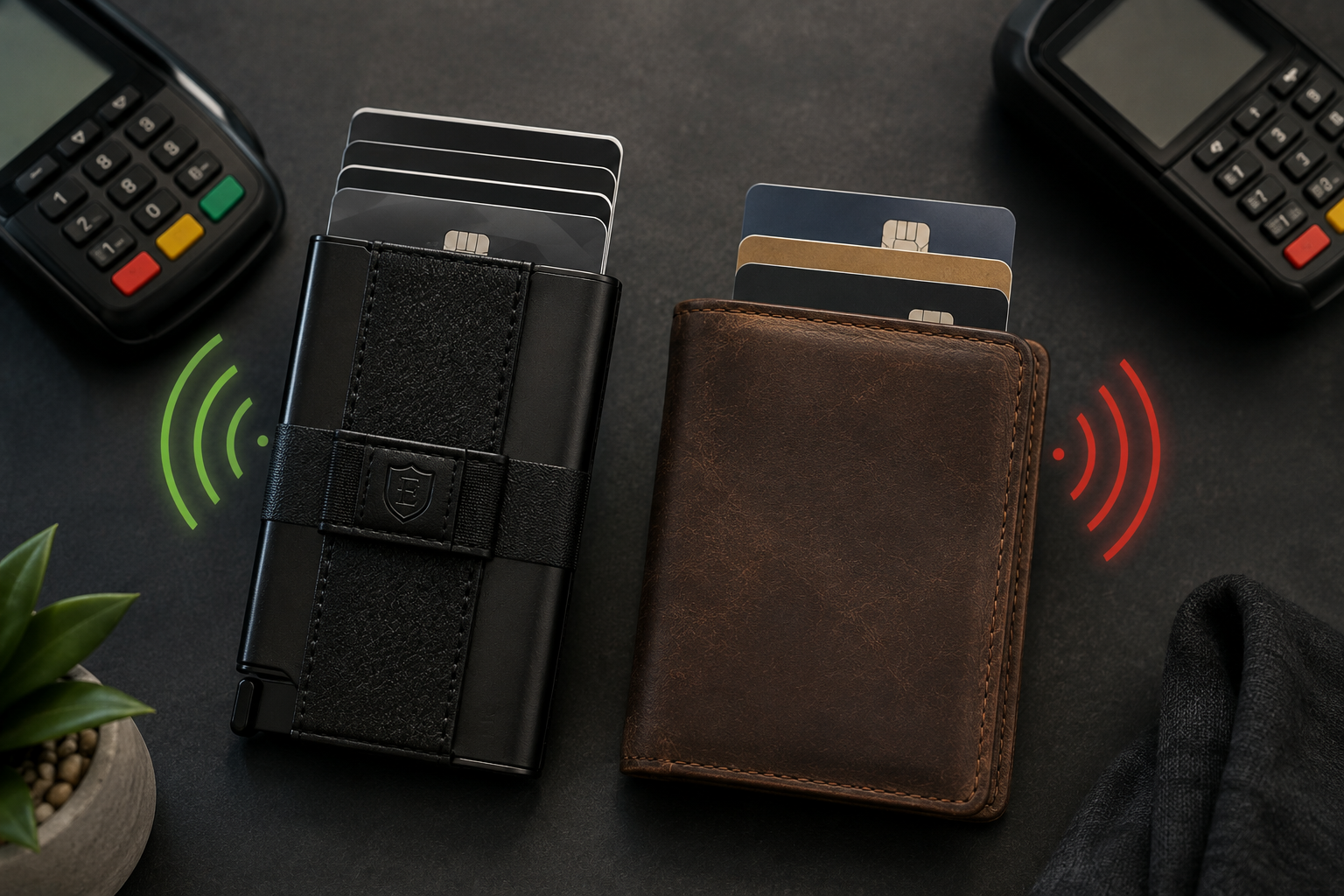
That is the theoretical vulnerability, and it’s real in a lab setting. The question is whether it’s actually happening to people in the real world.
What the Real Data Actually Shows
Here’s where sources genuinely disagree, so it’s worth laying out both sides plainly. Some industry reports cite significant numbers, one analysis puts 2023 US RFID theft losses at an average of $1,240 per incident across roughly 14,200 victims, with skimming cases reportedly up 28% year over year.
Multiple independent security researchers and fraud analysts tell a very different story. Comprehensive reviews of law enforcement reports and fraud statistics have found virtually zero documented real-world cases of RFID skimming fraud. The Nilson Report, a widely cited payments industry source, attributes less than 0.1% of total card fraud to any form of contactless theft.
That is a meaningful gap between the two narratives, and it’s worth noticing which side lines up with actual documented cases versus projected or modeled loss figures.
Why It Rarely Happens in Practice
There’s a practical reason for that gap: RFID skimming is a genuinely bad business model for criminals. A thief needs specialized equipment costing $50 to $300, has to get within inches of a target without being noticed, and even then only captures a card number and expiration date, not the dynamic CVV or one-time transaction code most modern contactless cards generate per tap.
Compare that effort-to-reward ratio against a data breach, where a single hack exposes millions of card numbers at once, or phishing, which requires no physical proximity at all. Security experts consistently note that traditional fraud methods are simply faster, cheaper, and far more profitable for criminals than standing in a crowd hoping to skim one card at a time.
Where the Real Risk Actually Sits
This is the part most RFID wallet marketing skips entirely, and it’s the most useful distinction in this whole topic. Payment cards and passports are not equally exposed.
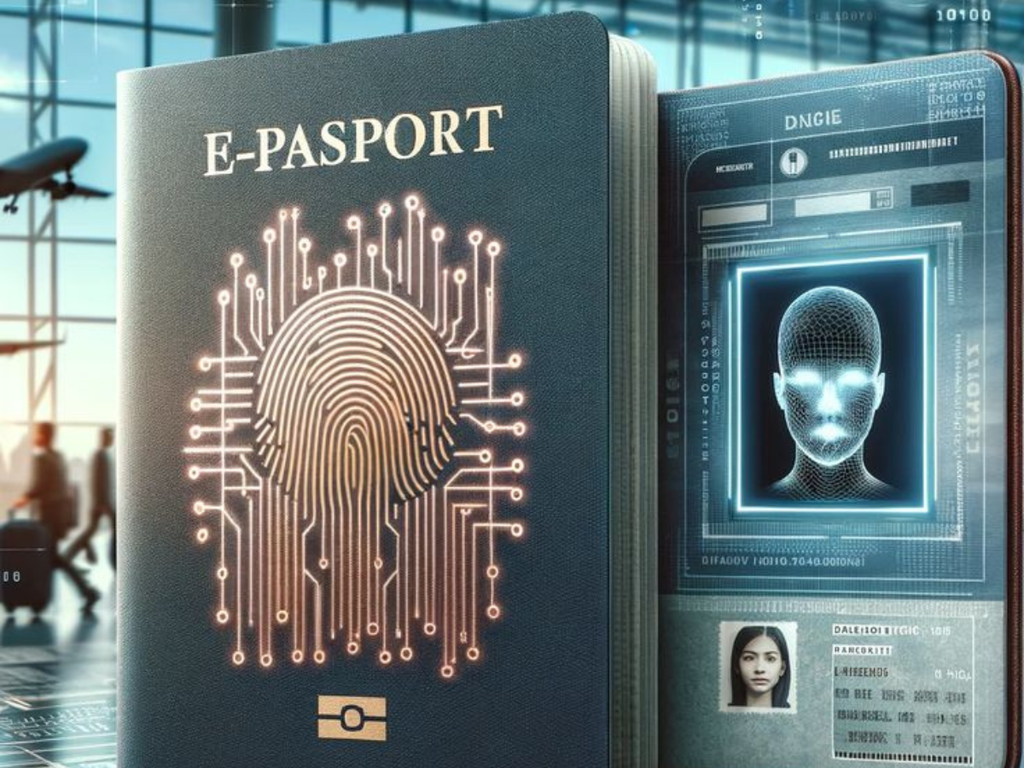
Contactless credit and debit cards generate a unique, one-time code for every transaction, so even a captured card number is largely useless without that dynamic code. A passport’s RFID chip is different, it stores static data, name, date of birth, nationality, passport number, that stays valid for the life of the document. If that gets captured, it doesn’t expire the way a stolen card number effectively does.
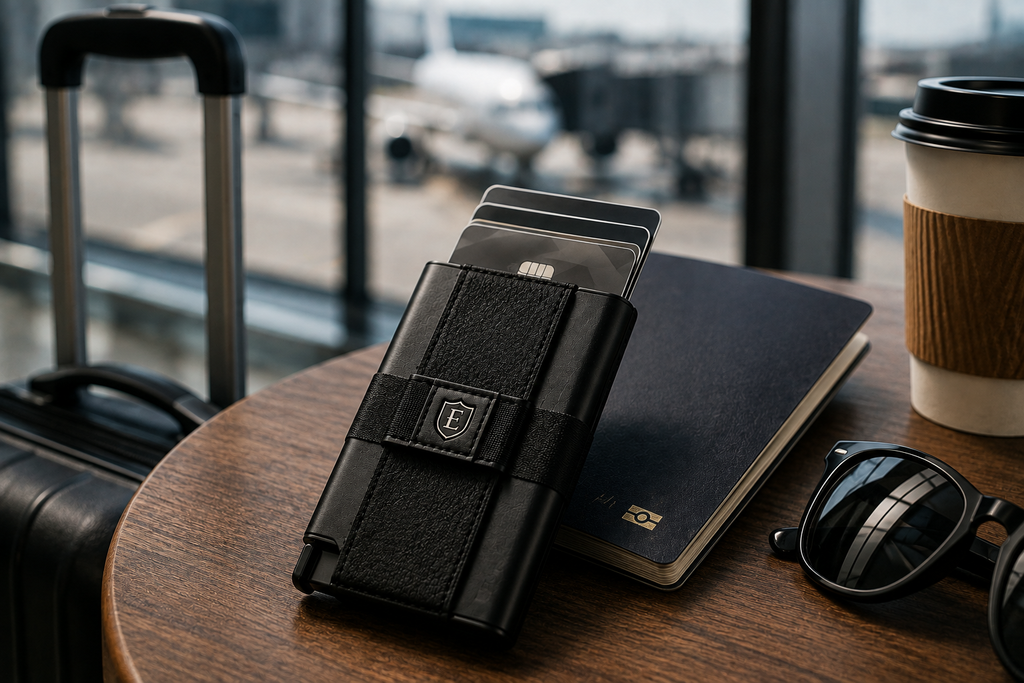
So if RFID protection matters anywhere, it genuinely matters more for a passport holder than a standard credit card wallet, a distinction almost never mentioned in generic “protect your cards” marketing.
The Case for Buying One Anyway
None of this means RFID blocking is worthless, and it’s worth being fair to the other side of the argument too. Even if the probability per person is low, the consequence of the rare case, identity theft, disputed charges, hours of cleanup, can be genuinely disruptive.
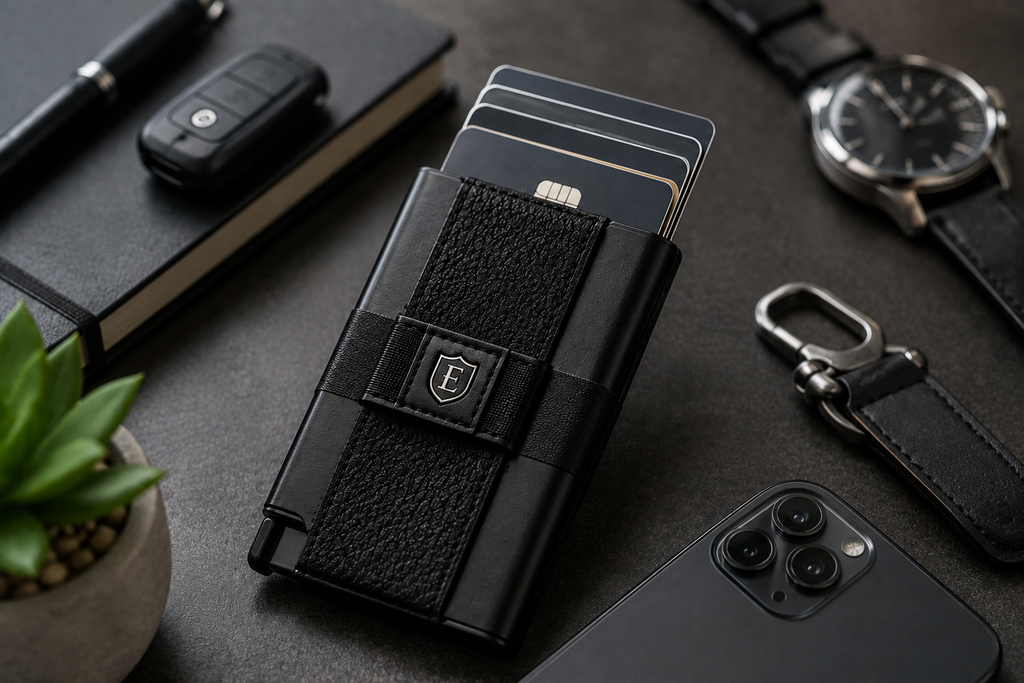
Ekster’s smart wallets build RFID-blocking material into the wallet itself at no real cost or inconvenience to the user, alongside features like a card ejection mechanism and optional tracker that solve problems unrelated to RFID entirely. When a genuinely useful upgrade also happens to include a low-probability safeguard for free, there’s little reason to argue against it. The mistake is buying a wallet specifically and only for RFID protection, rather than as one feature among several that make the purchase worthwhile.
When You Genuinely Don’t Need to Worry
A few things are worth knowing so you’re not carrying unnecessary anxiety. Smartphones with Apple Pay or Google Pay are not vulnerable to this kind of skimming, since they require biometric authentication before transmitting any payment data. Car key fobs use an entirely different frequency and rolling code system, so an RFID-blocking wallet does nothing to protect against key fob relay theft, a separate issue people sometimes confuse with card skimming. And any card that requires physical insertion and a PIN, without a contactless symbol, has no RFID chip at all and simply can’t be skimmed wirelessly in the first place.
Comparison at a Glance
| Real-World Risk | Worth Protecting? | |
|---|---|---|
| Contactless credit/debit cards | Very low, dynamic codes limit usefulness of skimmed data | Nice to have, not essential |
| Passport RFID chip | Higher, static data has long-term value if captured | Genuinely worth protecting |
| Smartphone payments (Apple/Google Pay) | Not applicable, requires biometric auth | No RFID risk |
| Car key fobs | Different technology entirely | RFID wallet does not help |
| Chip-and-PIN only cards (no contactless) | None, no RFID chip present | No RFID risk |
Frequently Asked Questions
Is RFID card skimming a real, common crime? Documented real-world cases are extremely rare, less than 0.1% of total card fraud according to industry fraud tracking. It’s technically possible but rarely worth the effort for criminals compared to easier fraud methods like data breaches and phishing.
Should I still buy an RFID-blocking wallet? If it comes as one feature within a wallet you already want for other reasons, size, durability, card access, there’s no downside to having it. It’s not worth buying a wallet based on RFID protection alone.
Is RFID protection more important for a passport than a credit card? Yes. Passport chips store static personal data that doesn’t expire, while modern contactless cards generate a unique code per transaction, making captured card data far less useful to a thief.
Do RFID-blocking wallets protect against car key theft? No. Car key fobs use a different radio frequency and rolling code system entirely, unrelated to the RFID/NFC technology in payment cards.
Can my smartphone be RFID-skimmed like a physical card? No. Apple Pay and Google Pay require biometric authentication before any payment data transmits, which prevents the kind of passive skimming that theoretically affects physical contactless cards.
The Bottom Line
RFID skimming is a real technology with a genuinely rare real-world criminal application, most of the fear around it outpaces the actual documented risk, particularly for standard payment cards protected by dynamic transaction codes. Where the protection matters more is passports, which carry static data with no expiration. If a wallet you already like happens to include RFID blocking, there’s no reason to skip it. Just don’t let a scary headline be the entire reason you choose one wallet over another, choose based on what you’ll actually use daily, and treat RFID protection as a reasonable bonus rather than the main event.
Ready to see current styles and pricing? Check out Ekster’s RFID-protected wallets here.