
Table of Contents
- What Actually Separates the Two
- RFID Protection: A Real, Invisible Upgrade
- The Tracker Feature Nobody Knew They Needed
- Card Access: Push a Button vs Dig Through Slots
- Size and Bulk in Your Pocket
- What You Give Up With a Smart Wallet
- Materials and Long-Term Durability
- Comparison at a Glance
- Frequently Asked Questions
- The Bottom Line
What Actually Separates the Two
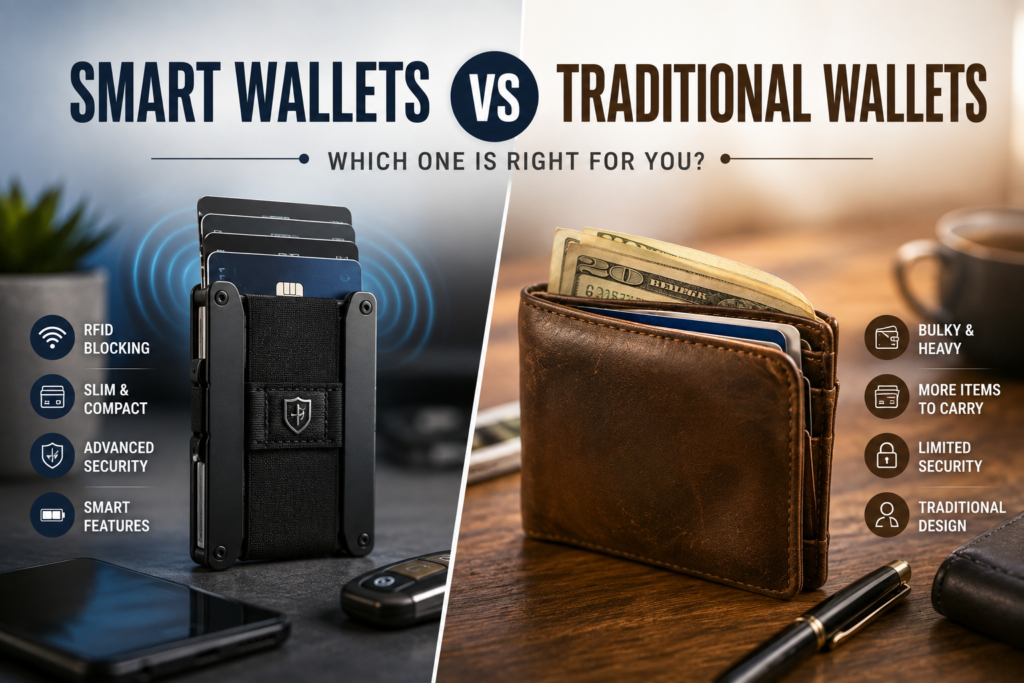
A traditional wallet is a passive object, folded leather, card slots, a bill compartment, nothing more than what you put into it. A smart wallet adds technology on top of that same basic job: RFID-blocking material, a card ejection mechanism, and often a Bluetooth tracker built to work with your phone.
The core question isn’t which one looks nicer. It’s whether those added features solve problems you actually have.
RFID Protection: A Real, Invisible Upgrade
RFID-blocking material stops unauthorized wireless scanning of the chips embedded in modern debit cards, credit cards, and passports, the kind of contactless data theft that can happen in a crowded space without you ever noticing. Traditional wallets offer zero protection against this, since the technology simply didn’t exist when the classic bifold design was created.
The protection itself is completely passive once built into a wallet, no app, no setup, nothing to remember. It just works in the background every time a card sits inside a shielded slot.
The Tracker Feature Nobody Knew They Needed
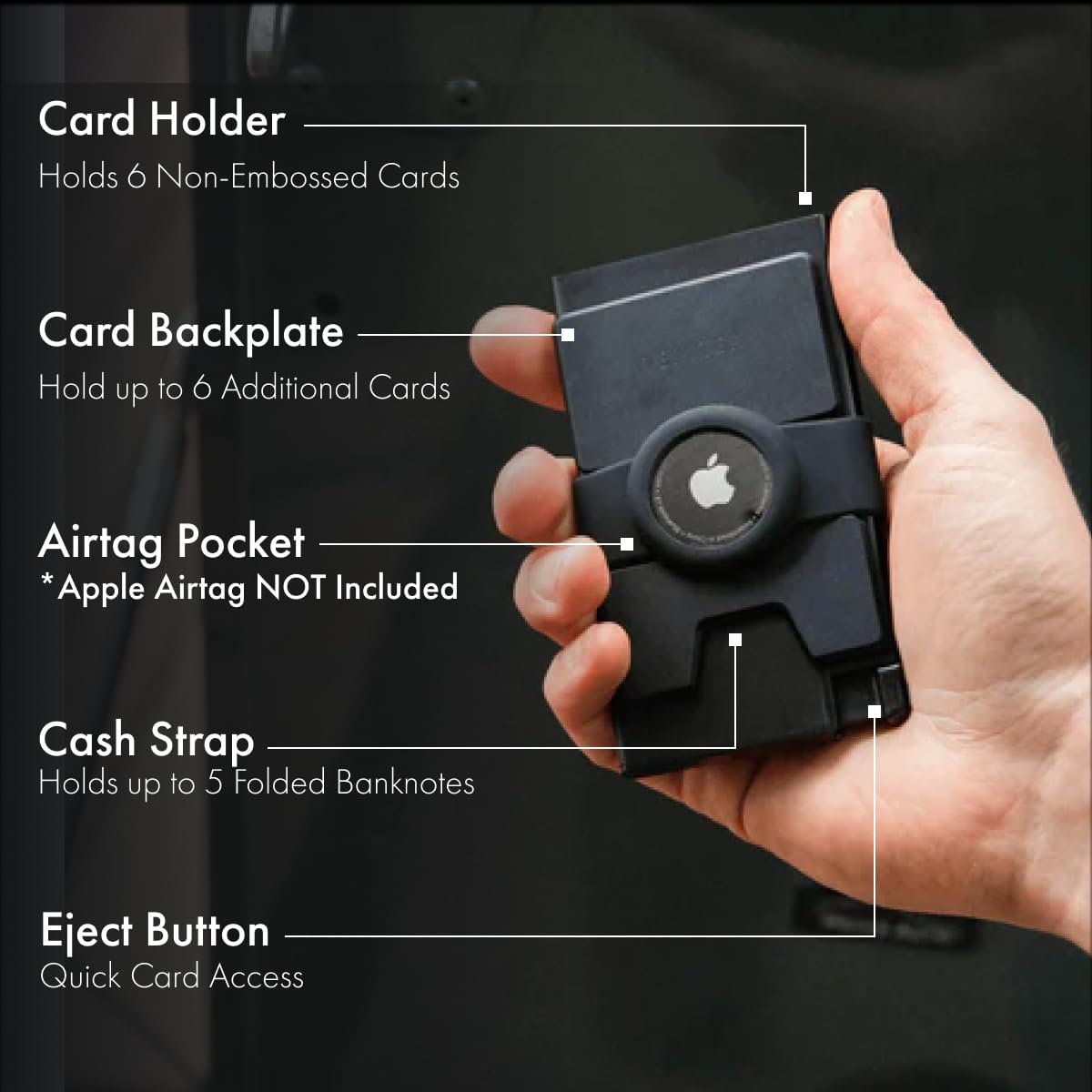
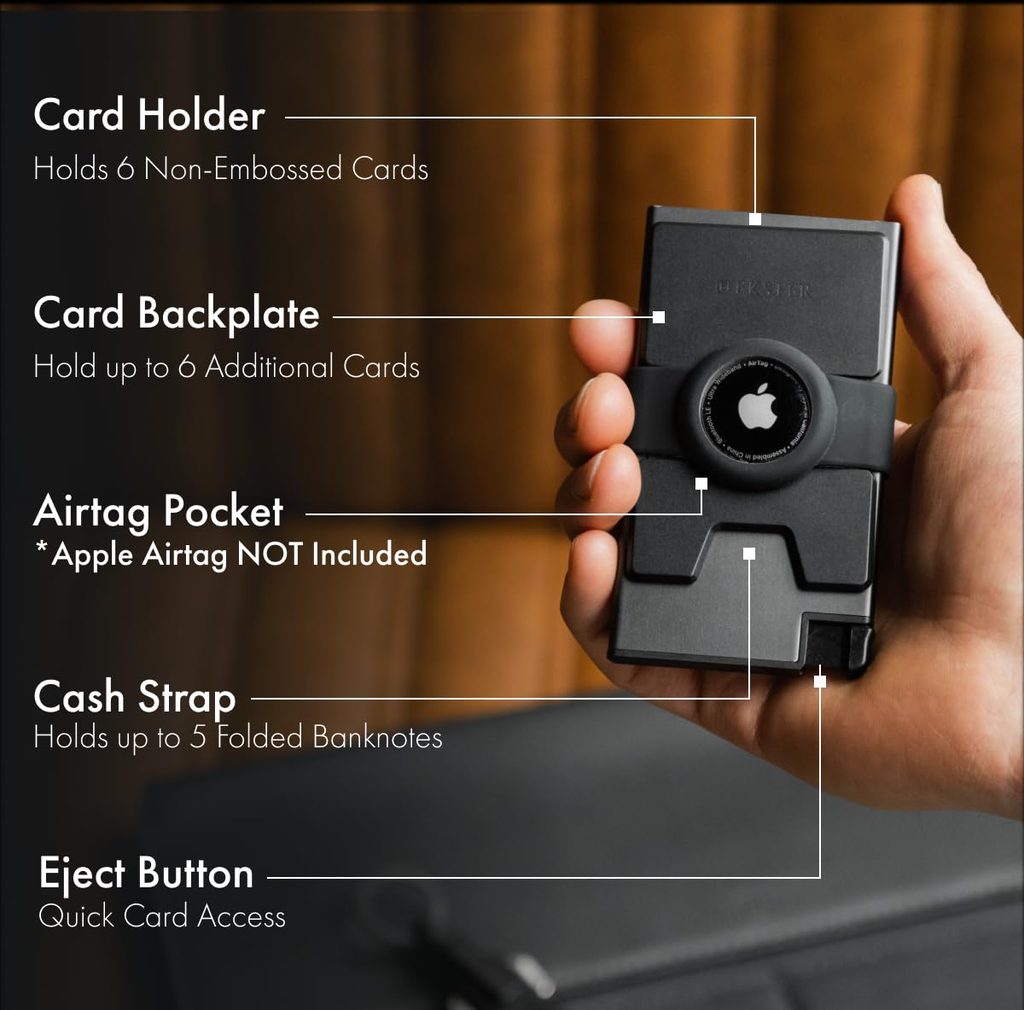
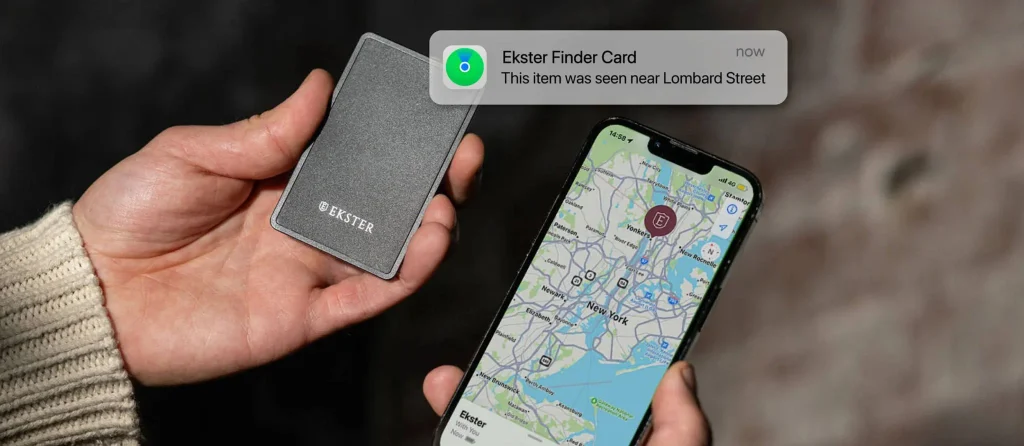
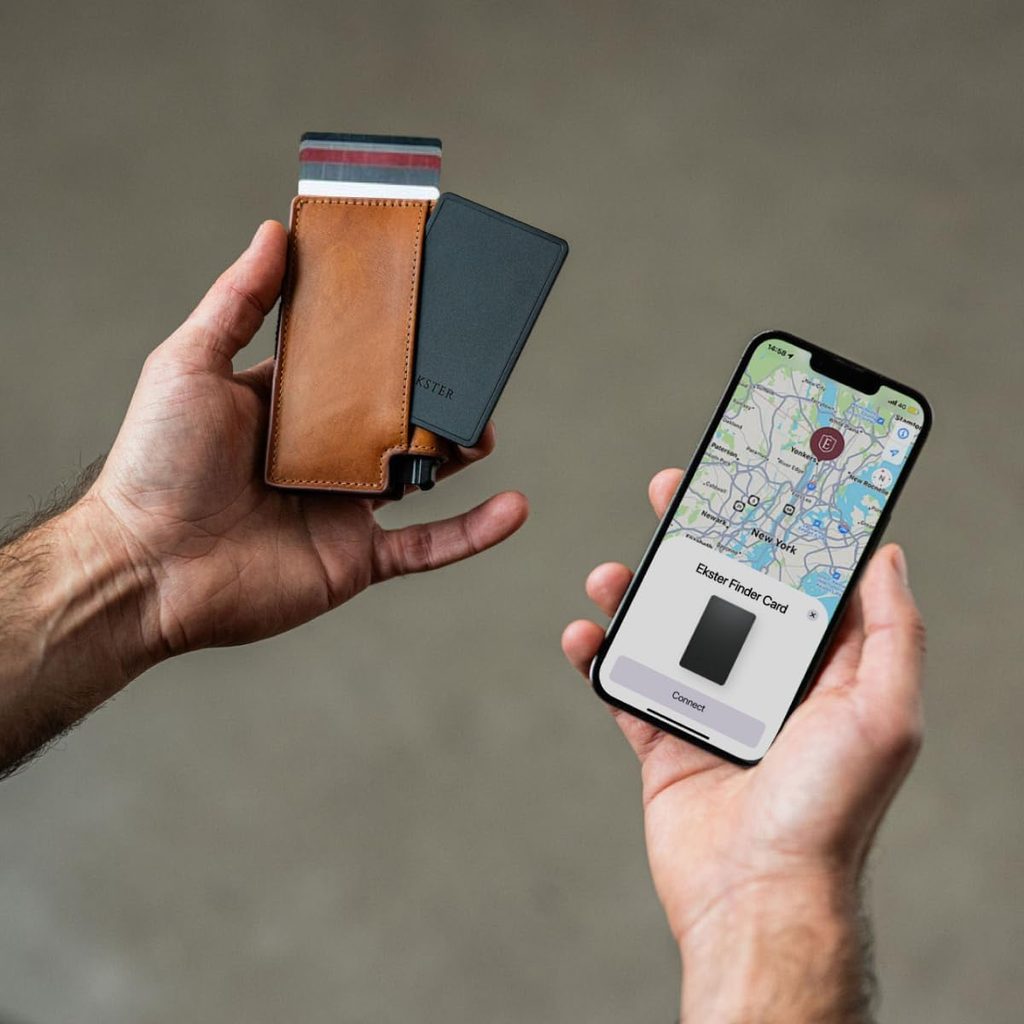
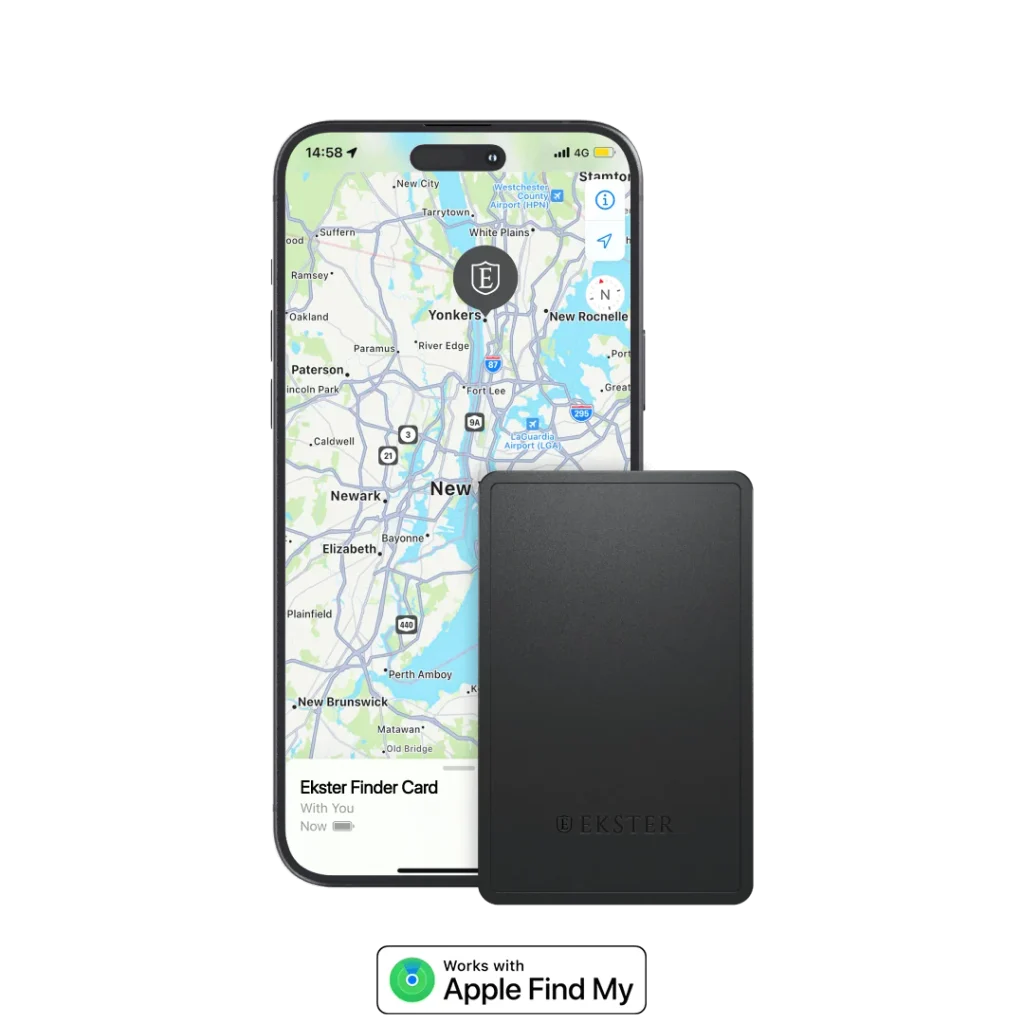
This is the feature that genuinely changes the ownership experience. Ekster’s tracker cards pair with a smartphone app, offering global map location, a built-in ringer to find the wallet nearby, and left-behind alerts if you walk away without it, compatible with both Android and Apple’s Find My network.
A traditional wallet has no answer to this at all. Once it’s lost, it’s lost, no map location, no alert, nothing but hoping someone honest finds it and returns it.
Card Access: Push a Button vs Dig Through Slots
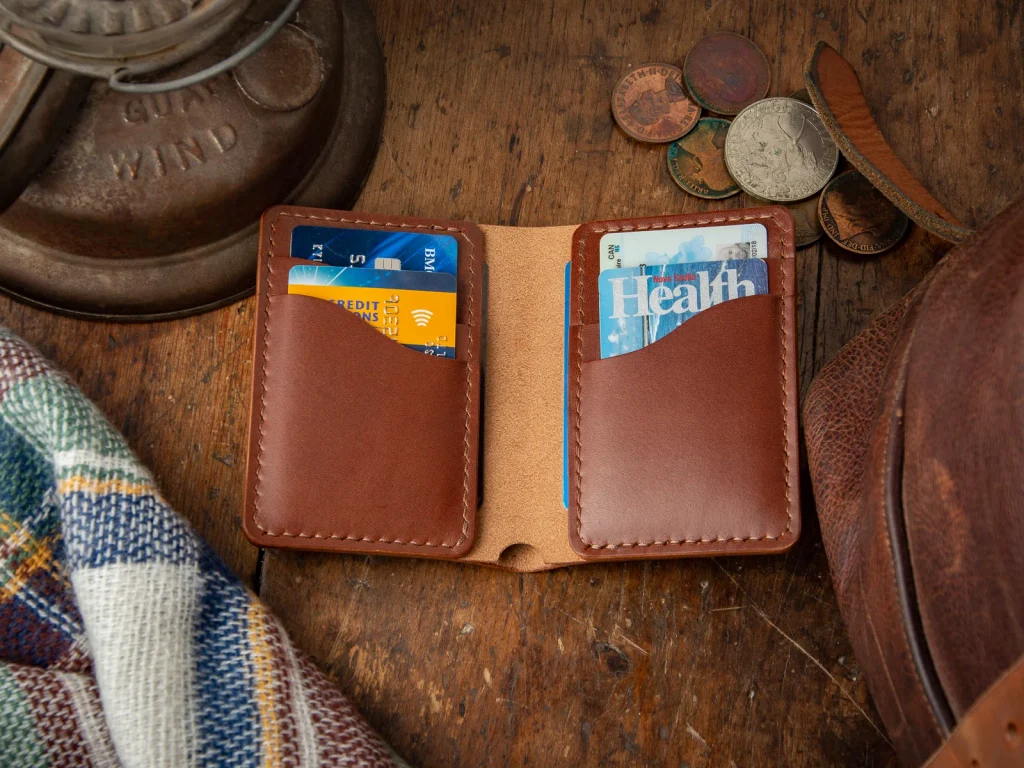
Anyone who has fumbled through a crammed bifold wallet at a checkout line knows this friction well. A traditional wallet requires flipping it open and manually searching through stacked card slots, slower every single time, and worse the more cards you carry.
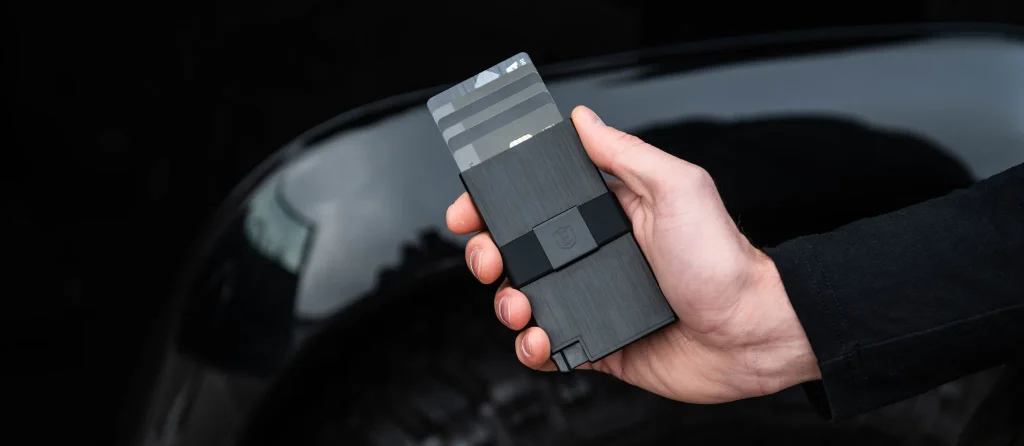
Ekster’s patented card ejection mechanism fans out your cards at the push of a button, instant, one-handed access whether you’re boarding a train or paying at a register. It sounds like a small convenience until you use it daily and realize how much friction it actually removes.

Size and Bulk in Your Pocket
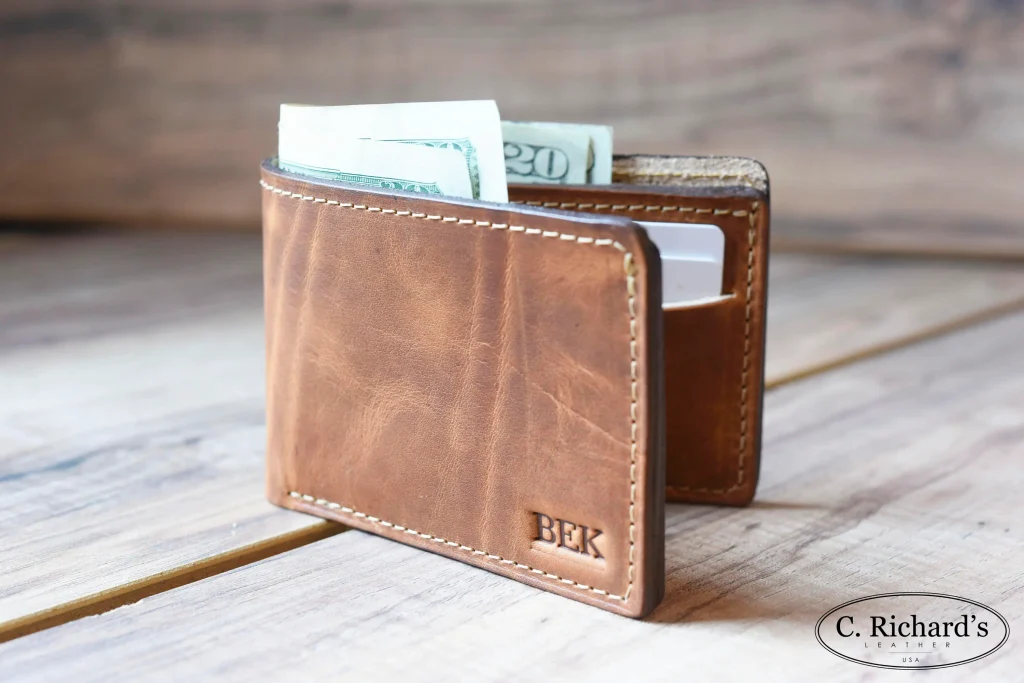
Traditional bifold wallets, especially ones stuffed with 8 or more cards, receipts, and cash, create real, noticeable bulk in a front or back pocket. That bulk is one of the most common complaints wallet owners raise once they try something slimmer.
Smart wallets, particularly aluminum cardholder styles, are built specifically to minimize this. Some aluminum models run as thin as 0.6 inches, thinner than a phone, while still holding up to 14 cards through an expandable backplate design. For anyone who has actively decided to carry less, this is one of the clearest, most tangible upgrades a smart wallet offers.
What You Give Up With a Smart Wallet
This comparison isn’t one-sided, and it’s worth being honest about the tradeoffs. Some smart wallet designs, particularly minimalist ejection-mechanism styles, sacrifice cash storage space and overall card capacity compared to a traditional bifold built for bulk.
Bifold-style smart wallets exist specifically to bridge this gap, keeping classic organization like ID windows and bill compartments while still adding RFID protection and tracker compatibility, though they typically drop the signature card ejection feature to do it. If you carry a lot of cash regularly or need to hold 15-plus cards, a pure minimalist smart wallet may feel more restrictive than upgrade.
Materials and Long-Term Durability
Traditional wallets are almost always leather, and quality varies enormously by price point, from cheap synthetic leather that cracks within a year to genuine full-grain leather that ages well for a decade.
Smart wallets often expand material options beyond leather entirely, space-grade aluminum, stainless steel, and carbon fiber, chosen specifically for durability and a minimalist look that ages consistently rather than wearing unpredictably. Aluminum and carbon fiber models in particular hold up to daily wear noticeably better than budget leather, though premium full-grain leather smart wallet options exist too for anyone who prefers the classic material with modern features layered on top.
Comparison at a Glance
| Smart Wallet | Traditional Wallet | |
|---|---|---|
| RFID protection | Built-in, standard | None |
| Lost wallet tracking | Yes, via app (optional add-on) | No |
| Card access | Push-button ejection (select models) | Manual, dig through slots |
| Typical thickness | As thin as 0.6 inches | Varies, often bulkier |
| Cash storage | Limited on minimalist models | Full compartment |
| Material options | Leather, aluminum, carbon fiber | Almost always leather |
Frequently Asked Questions
Is RFID protection actually necessary in a wallet? It adds real protection against contactless card skimming in crowded public spaces, a risk that didn’t exist with older card technology. It works automatically with no setup required.
Do all smart wallets include a tracker? No, tracking is usually an optional add-on card that pairs with a smartphone app, compatible with Android and Apple’s Find My network, rather than a feature built into every model by default.
Do smart wallets hold fewer cards than traditional wallets? It depends on the model. Minimalist ejection-style wallets often hold fewer cards to stay slim, while bifold-style smart wallets retain higher capacity, 12 or more cards plus bills, closer to a traditional wallet’s storage.
Are smart wallets more durable than traditional leather wallets? Often yes, particularly aluminum and carbon fiber models, which resist the wear and cracking that affects lower-quality leather over time. Premium full-grain leather smart wallets offer similar durability with a classic look.
Is a smart wallet worth it if I don’t lose things often? Even without the tracker, the RFID protection, slimmer profile, and quicker card access still offer a real, daily convenience upgrade over a standard wallet.
The Bottom Line
A smart wallet isn’t just a traditional wallet with a marketing label attached, it genuinely solves problems, contactless data theft, lost wallets, pocket bulk, slow card access, that a classic bifold was never built to address. The tradeoff mostly comes down to cash and card capacity on the most minimalist models, which bifold-style smart wallets largely solve by keeping classic organization while still adding the modern protections. For most people carrying cards daily, the upgrade is worth it. For anyone who genuinely needs to carry a lot of cash or cards in one place, it’s worth choosing a smart wallet model built with that capacity in mind rather than the slimmest option available.
Ready to see current styles and pricing? Check out Ekster’s smart wallets here.