
Table of Contents
- Why the Right Harness Actually Matters
- Start With an Accurate Measurement
- What “No-Pull” Actually Means
- Comfort Details That Are Easy to Miss
- Reflective Features for Evening Walks
- Car Safety Is Part of the Decision Too
- Personalization Is a Nice-to-Have, Not a Must
- Comparison at a Glance
- Frequently Asked Questions
- The Bottom Line
Why the Right Harness Actually Matters
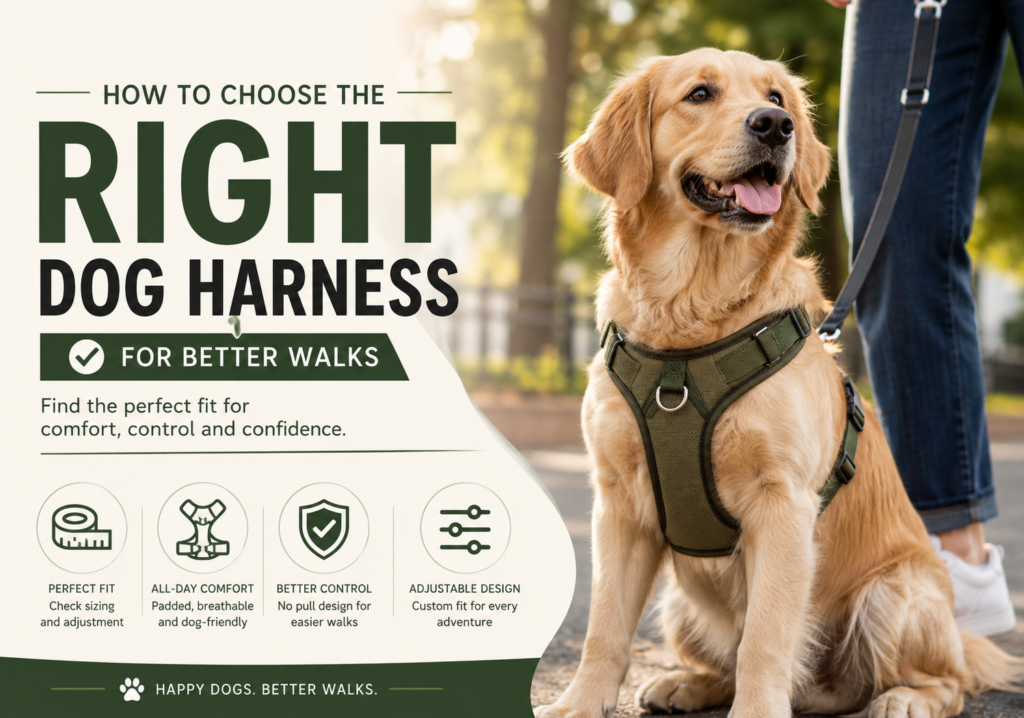
A harness is not just a walking accessory. Fit it wrong, and it can rub, chafe, or fail to control pulling at all. Fit it right, and daily walks get noticeably easier for both of you.
Veterinary anatomy specialists generally recommend a harness over a collar for most dogs, especially those with neck sensitivity, since a harness distributes pressure across the chest instead of concentrating it on the throat.
Start With an Accurate Measurement
Skip the guesswork. Measure your dog’s chest, the widest part just behind the front legs, before picking a size.


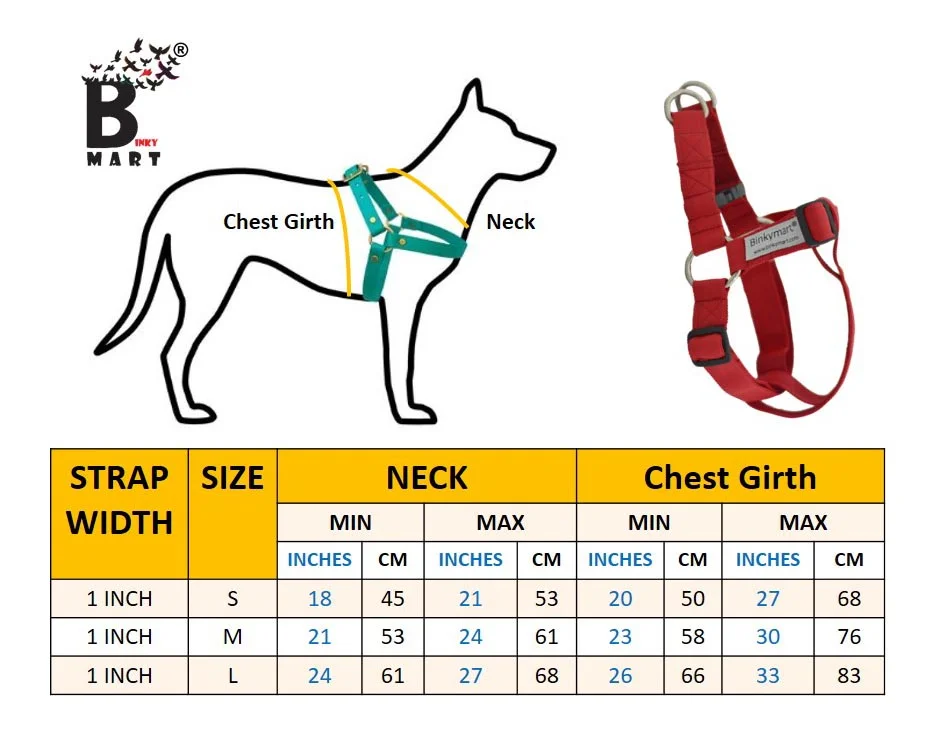
Doggy Kingdom’s sizing generally spans small through large, covering chest sizes from around 20 to 24 inches depending on the style. If your dog falls between two sizes, the general rule is simple: size up for a wide chest or shoulders, size down for a narrow body. You should be able to fit two fingers comfortably between the harness and your dog’s body once it’s on.
What “No-Pull” Actually Means
“No-pull” does not mean your dog physically cannot pull. It means the design discourages the behavior by teaching a different walking pattern.
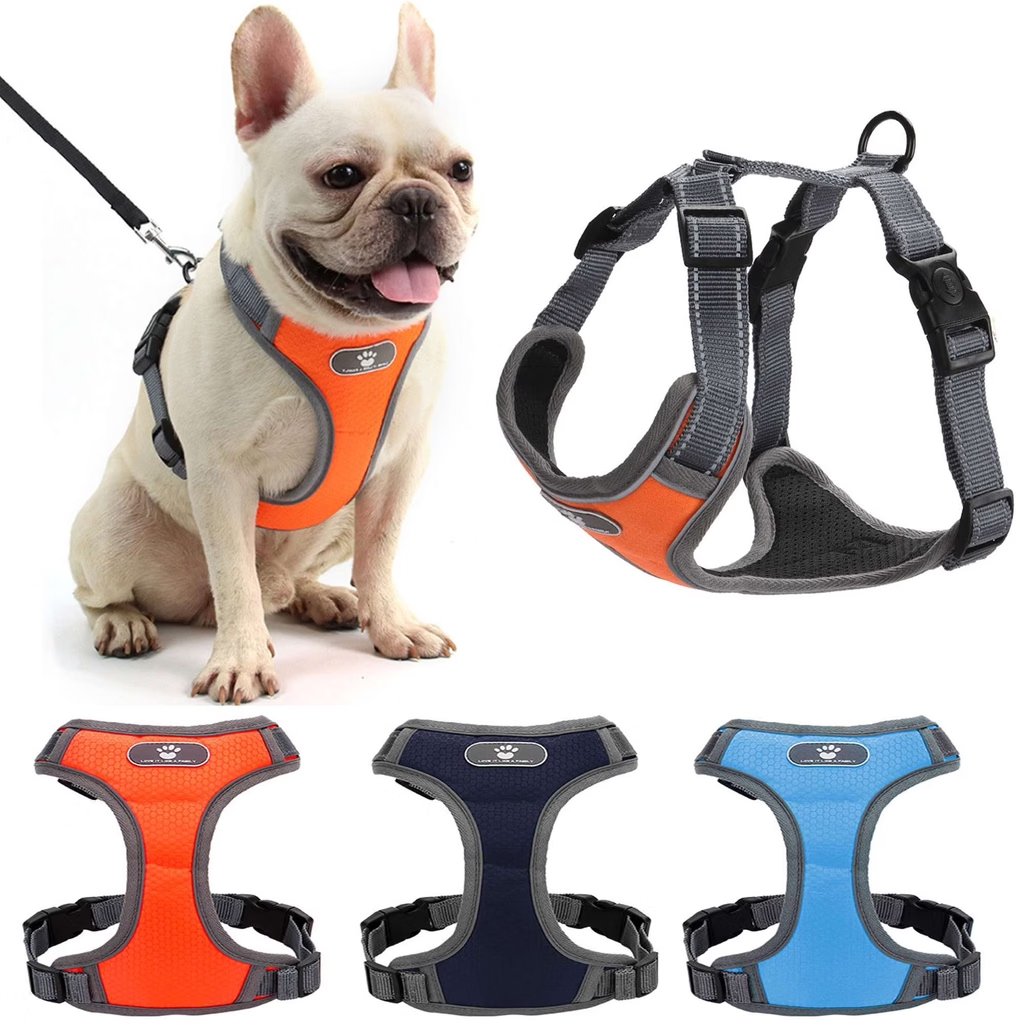
A well-built no-pull harness covers more of the dog’s body than a basic strap design, which creates a feeling of being held and guided rather than restrained. Over time, that steady pressure helps a dog learn to walk beside you instead of dragging ahead, without the strain a collar puts on the neck.
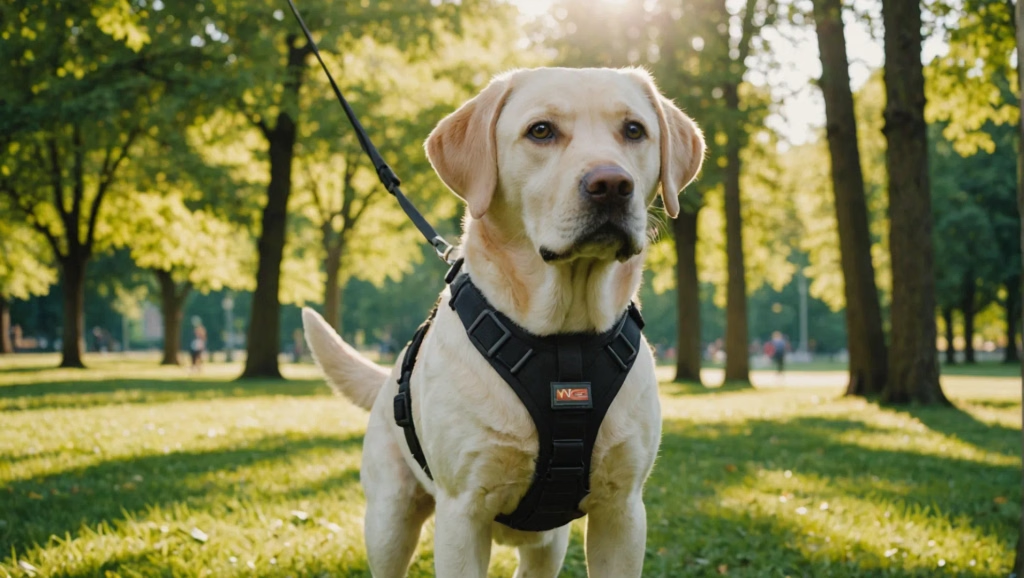

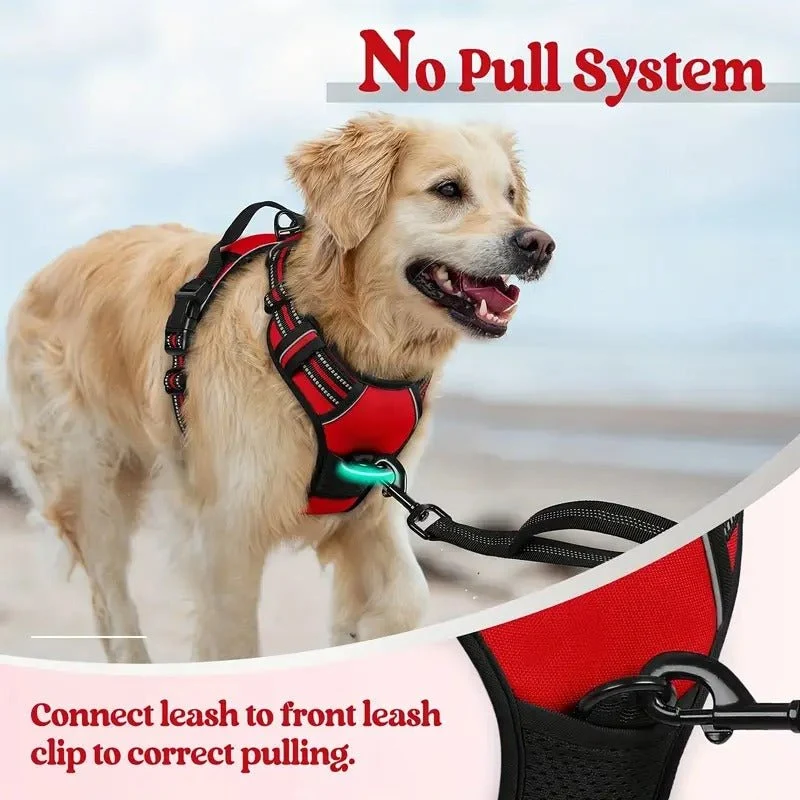
A top handle is worth looking for too. It gives you quick, direct control in tight spaces, crossing a busy street, passing another dog, without yanking on the leash itself.
Comfort Details That Are Easy to Miss
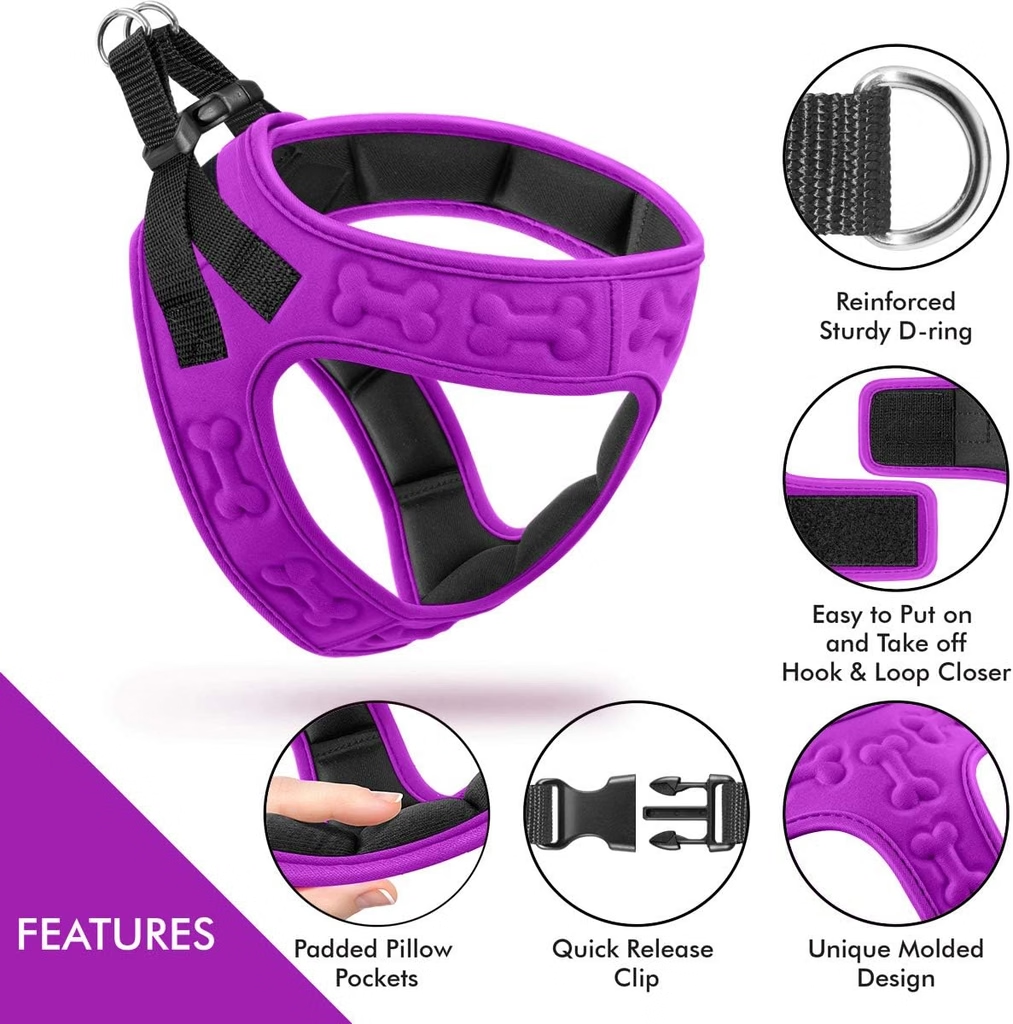
Fabric matters more than most people expect. Look for tear-resistant material with non-elastic straps, elastic sounds comfortable but actually reduces control, since it stretches under tension instead of holding a steady line.
Soft padding along the chest and belly straps prevents chafing on longer walks, and a breathable, lightweight build keeps your dog from overheating in warmer weather. A harness that is water-resistant also holds up better to rain, mud, and regular washing without breaking down.

Reflective Features for Evening Walks
If you walk early morning or after dark, reflective stitching or piping is not optional, it is a real safety feature. Some harnesses go further with built-in LED lighting for maximum visibility on unlit streets.

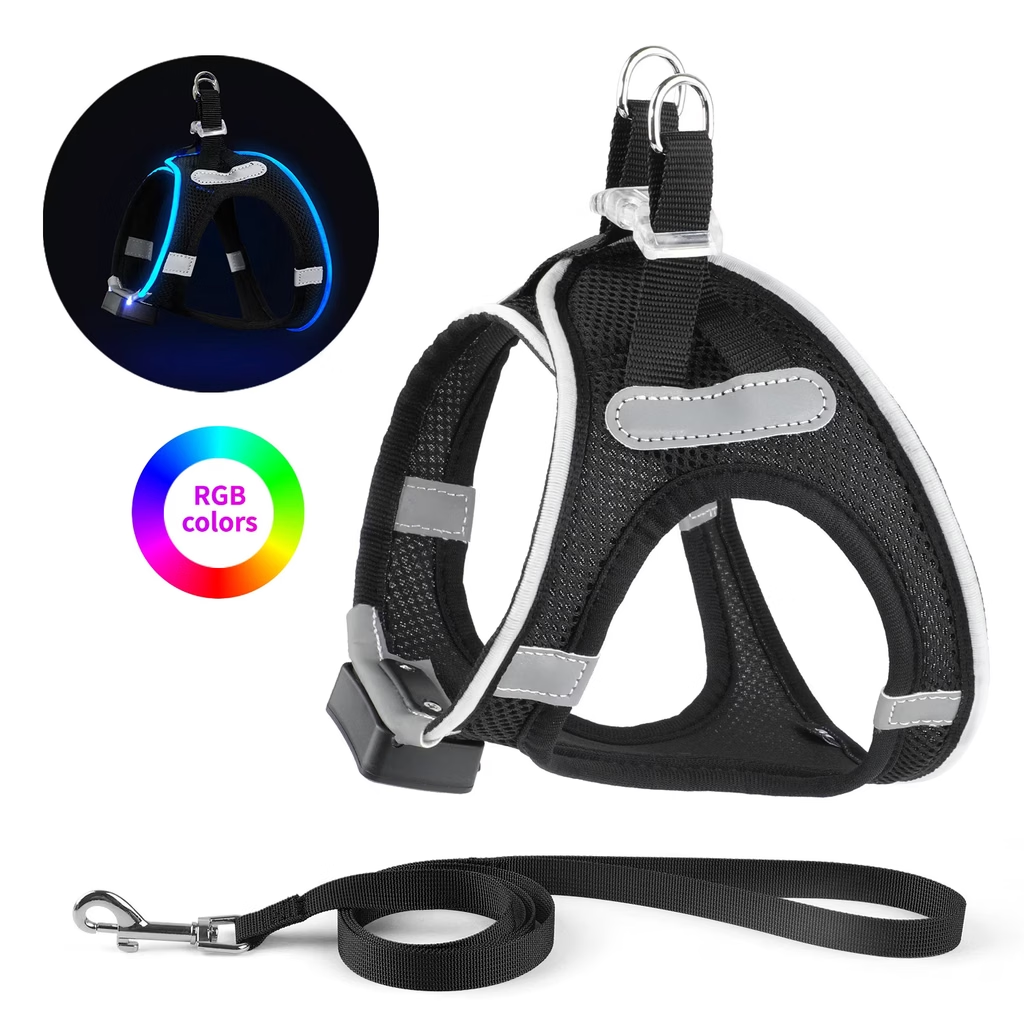

This matters most for city walkers near traffic, or anyone who regularly walks before sunrise or after sunset.
Car Safety Is Part of the Decision Too
A harness is not only for sidewalk walks. Many are built with a stainless steel D-ring specifically for attaching to a car seat belt, keeping your dog secure and restrained during drives rather than loose in the back seat.
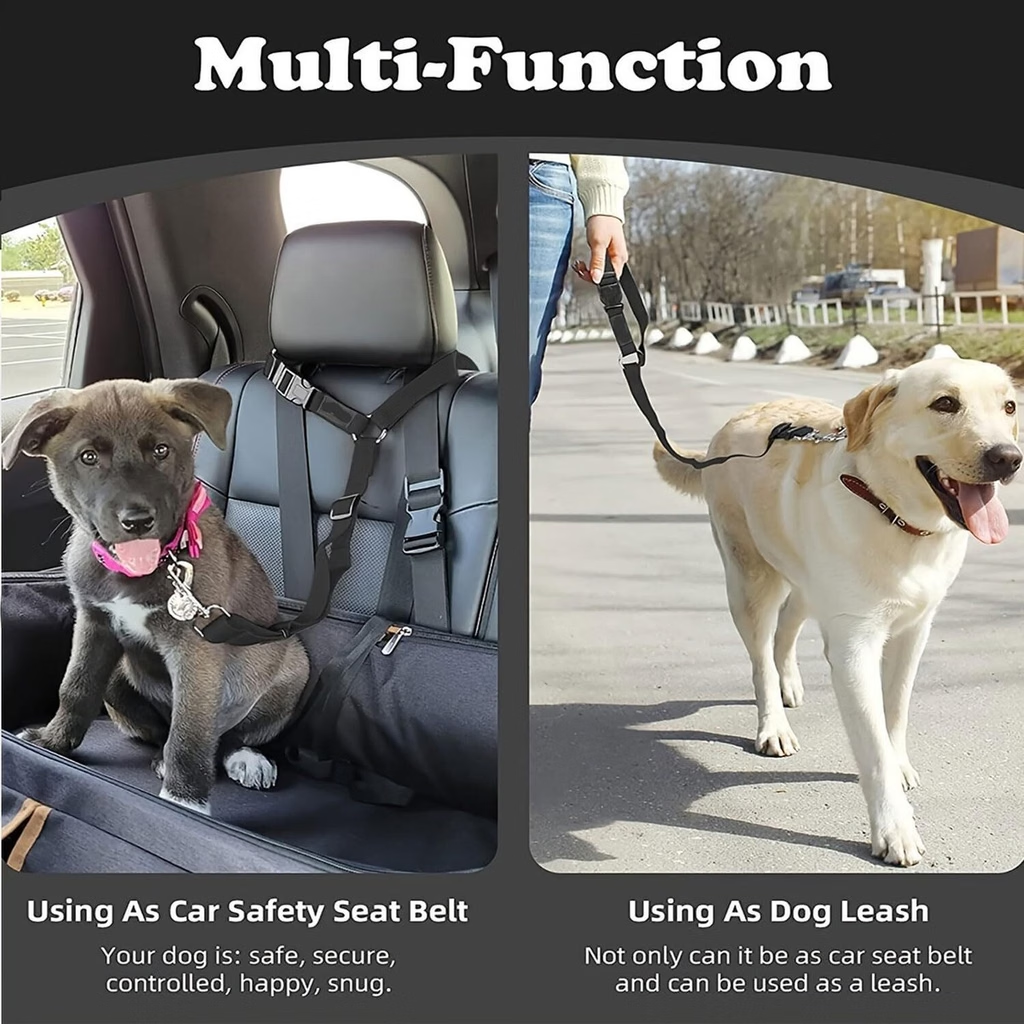
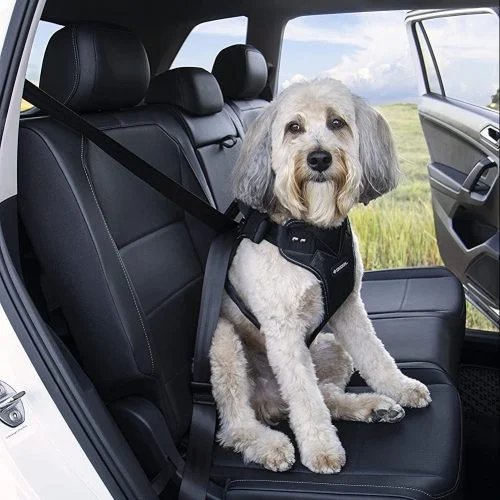
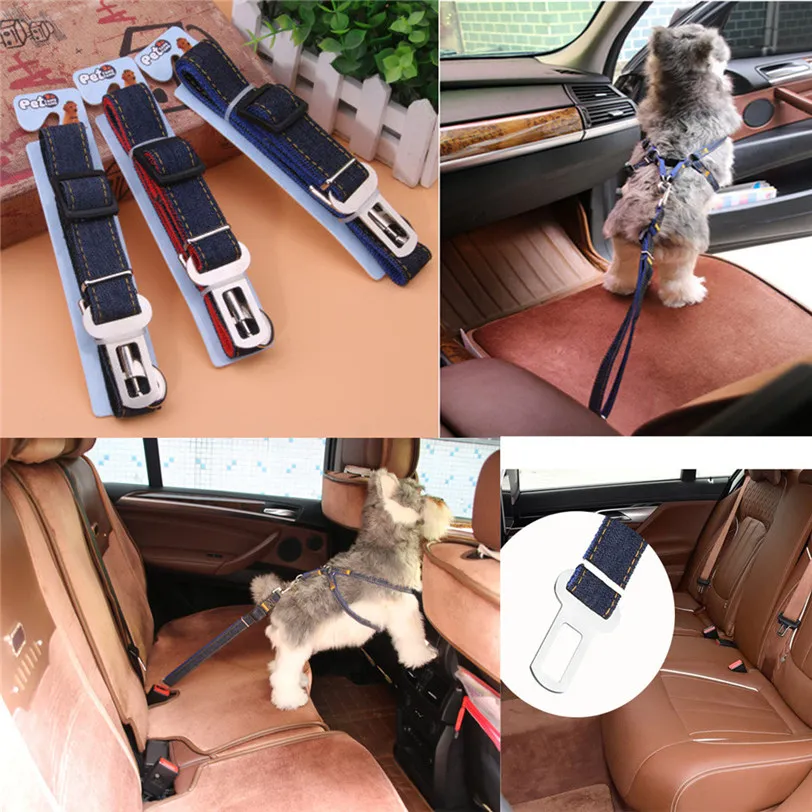
If you regularly drive with your dog, checking for this feature upfront saves you from buying a separate car harness later. Just confirm the D-ring is compatible with your vehicle’s seat belt buckle before assuming it will work.
Personalization Is a Nice-to-Have, Not a Must
Custom name patches and phone number labels are a small but genuinely useful add-on, especially helpful if your dog ever slips a leash or gets loose. It is not essential to a good harness, but it is worth considering if identification is a priority for you.
Comparison at a Glance
| Feature | Why It Matters | What to Check |
|---|---|---|
| Accurate sizing | Prevents chafing and slipping | Chest measurement, two-finger fit test |
| No-pull design | Reduces strain, improves control | Full-body coverage, non-elastic straps |
| Padding | Comfort on longer walks | Soft padding at chest and belly |
| Reflective elements | Visibility during low light | Stitching, piping, or built-in LEDs |
| Car D-ring | Safe car travel | Stainless steel ring, seat belt compatibility |
| Personalization | Faster ID if lost | Custom name or phone number patch |
Frequently Asked Questions
How do I know what size harness to buy? Measure your dog’s chest just behind the front legs. If between sizes, go up for a wide chest or shoulders, down for a narrow body, and check that two fingers fit comfortably under the harness once worn.
Does a no-pull harness stop pulling completely? Not instantly. It reduces the physical strain of pulling and helps train a dog to walk in balance over time, rather than eliminating the behavior on day one.
Is a harness better than a collar? For most dogs, yes. A harness distributes pressure across the chest instead of the neck, which is especially important for dogs with neck sensitivity or breathing issues.
Can I use the same harness for car rides? Only if it includes a proper D-ring rated for seat belt attachment. Not every walking harness is built for car safety, so check this feature specifically if it matters to you.
How should I clean a fabric dog harness? Handwashing with mild detergent or dish soap is generally recommended over machine washing, to avoid damaging the padding and stitching over time.
The Bottom Line
The right dog harness comes down to a handful of details that are easy to overlook: an accurate chest measurement, non-elastic straps for real control, padding where it counts, and reflective elements if you walk in low light. Add a reliable D-ring if car rides are part of your routine, and you have a harness built around how you and your dog actually spend your day, not just what looks good on a shelf.