
Table of Contents
- The Flip-and-Reflip Cycle Nobody Enjoys
- Gel-Infused Memory Foam: Where Most Cooling Pillows Start
- Phase Change Material: The Upgrade Worth Knowing About
- Shredded vs Solid Foam: Airflow Makes the Difference
- The Cover Matters as Much as the Fill
- Loft and Firmness Still Come First
- Room Temperature Is Part of the Equation Too
- Comparison at a Glance
- Frequently Asked Questions
- The Bottom Line
The Flip-and-Reflip Cycle Nobody Enjoys
You know the routine. Lie down, get comfortable, and within twenty minutes the pillow feels warm under your head.
Flip it. Repeat an hour later. Repeat again closer to 3 a.m., more annoyed each time.
That cycle isn’t really about your pillow being “bad.” It’s about a standard pillow doing exactly what it was designed to do, insulate and trap heat.
Hot sleepers need something built around the opposite goal entirely.


Gel-Infused Memory Foam: Where Most Cooling Pillows Start
This is the baseline technology behind most cooling pillows on the market, and for good reason, it genuinely works.
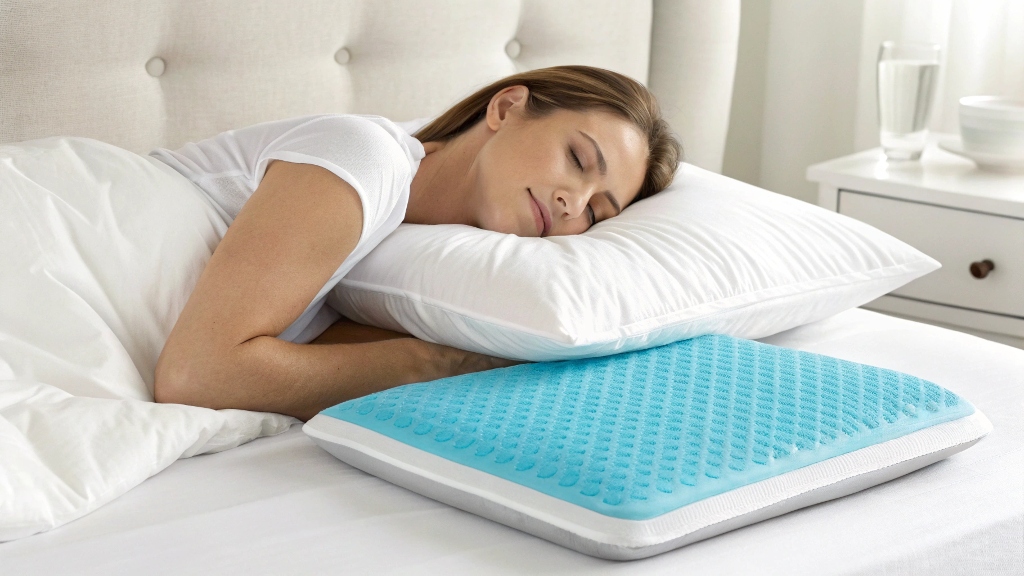
Cooling gel is distributed through the foam to create a surface that feels cool to the touch. The gel layer absorbs and disperses heat before it builds up against your skin.
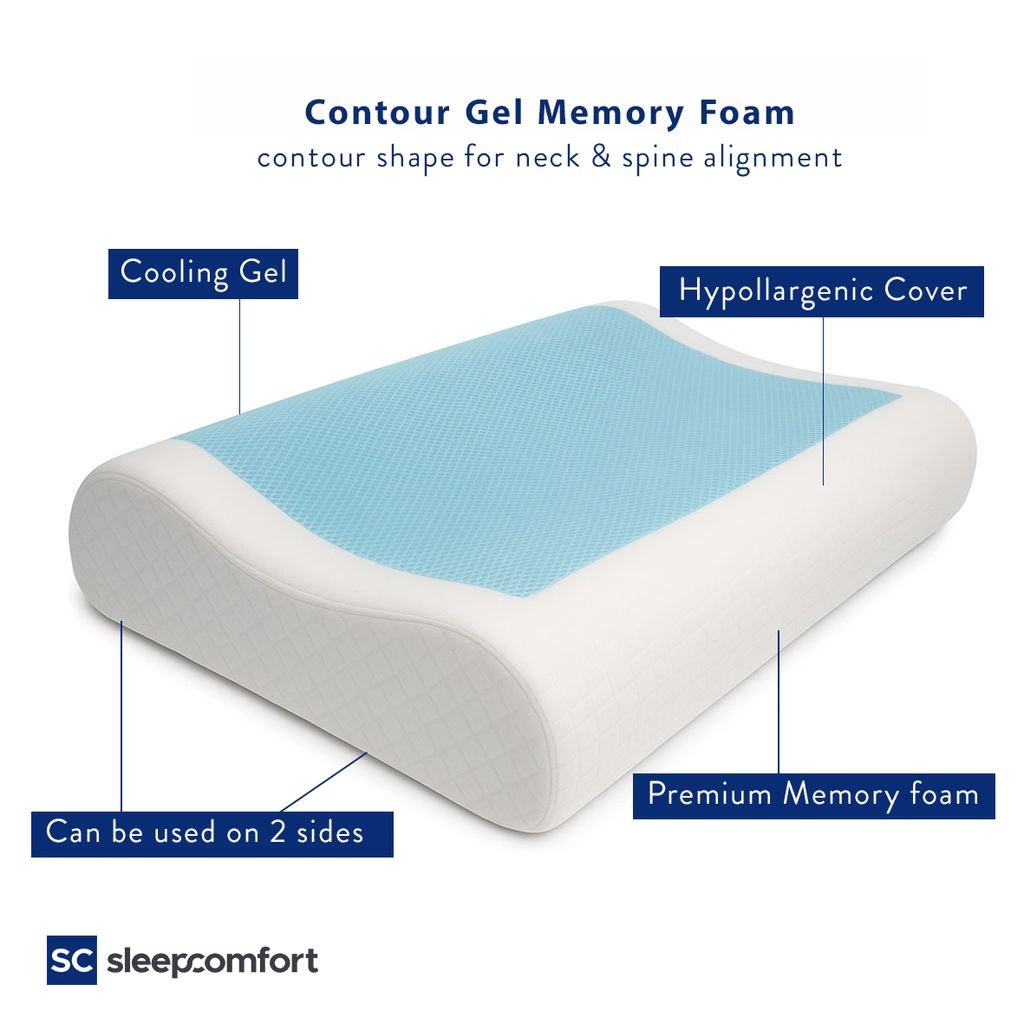
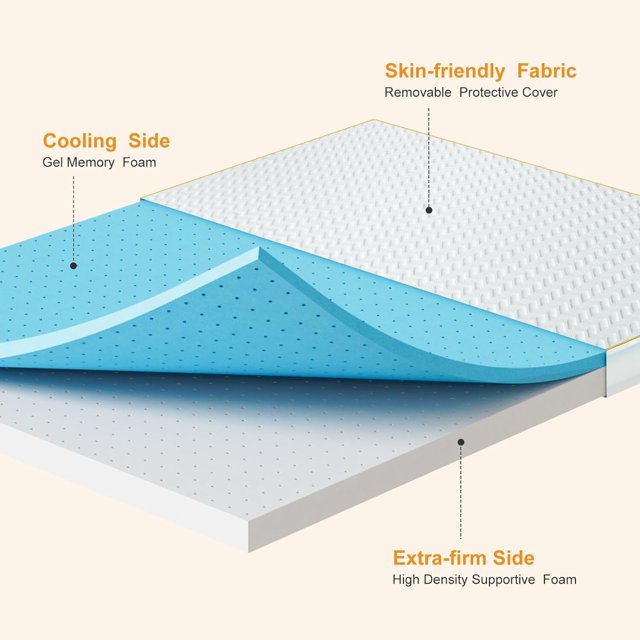
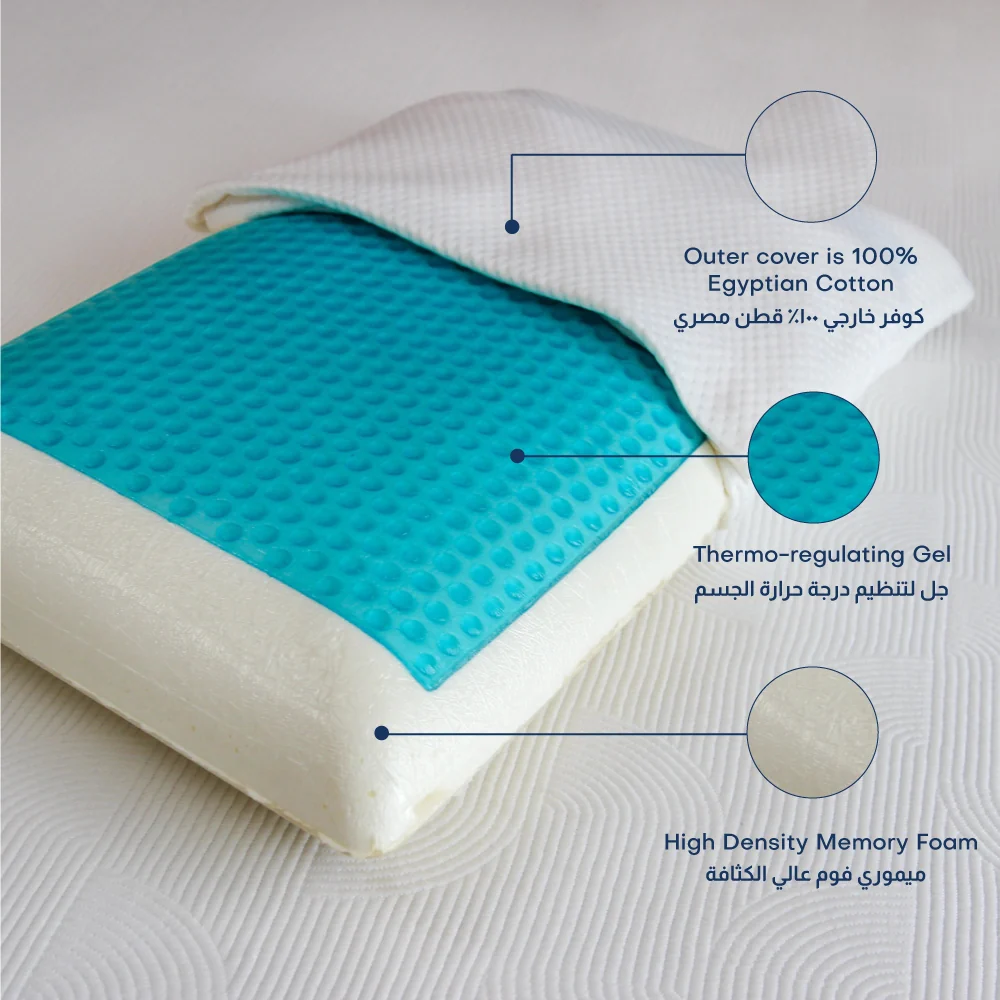
Standard memory foam alone tends to retain heat and restrict airflow. That’s exactly the problem gel infusion is designed to solve.
It’s a reliable, well-tested starting point. But it’s not the only technology worth knowing about.
Phase Change Material: The Upgrade Worth Knowing About
If gel-infused foam is the baseline, phase change material, often called PCM, is the more advanced layer some higher-end cooling pillows add on top.
PCM absorbs heat the moment you lie down. Some tested pillows using this technology show up to 10 times more cooling effect compared to a standard pillow.
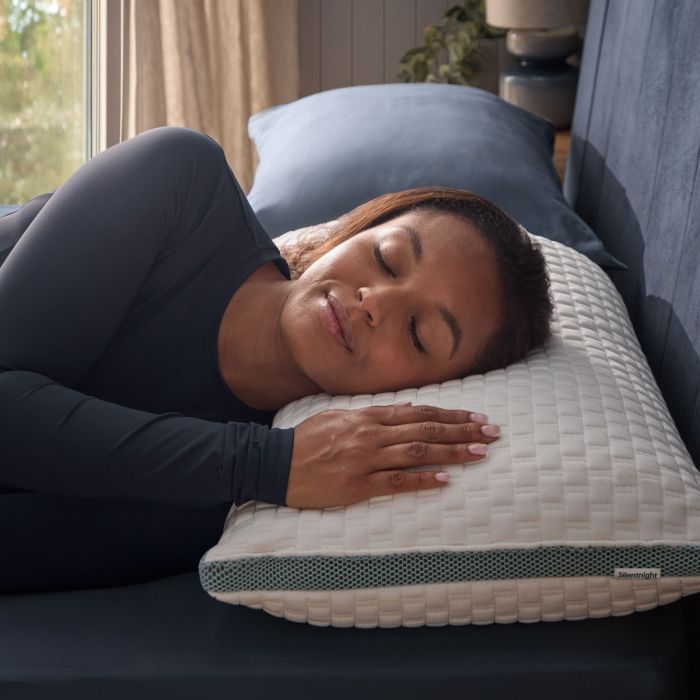
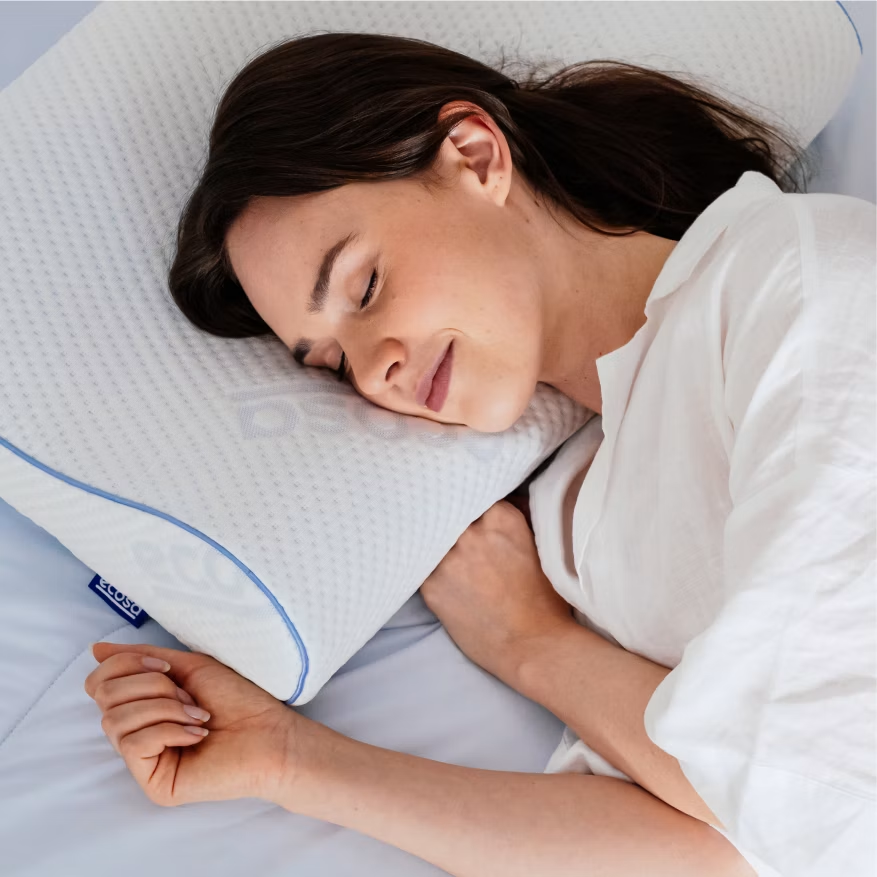
Specialized rapid-chill fibers used in some designs wick and tunnel heat away from your head and neck at roughly five times the speed of regular polyester fill.
This is the detail worth checking specifically if gel-infused foam alone hasn’t been enough for you in the past. PCM and rapid-chill fiber technology target a genuinely different, faster level of heat transfer.
Shredded vs Solid Foam: Airflow Makes the Difference
This is a detail that gets overlooked constantly, but it matters almost as much as the cooling material itself.
Shredded memory foam is broken into smaller pieces, which allows air to circulate through the pillow far more freely than a single solid block of foam ever can.
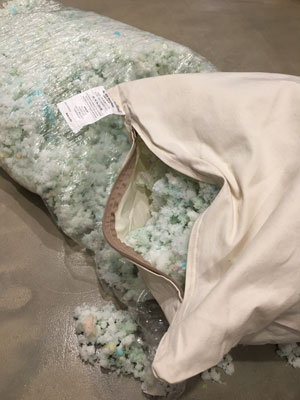

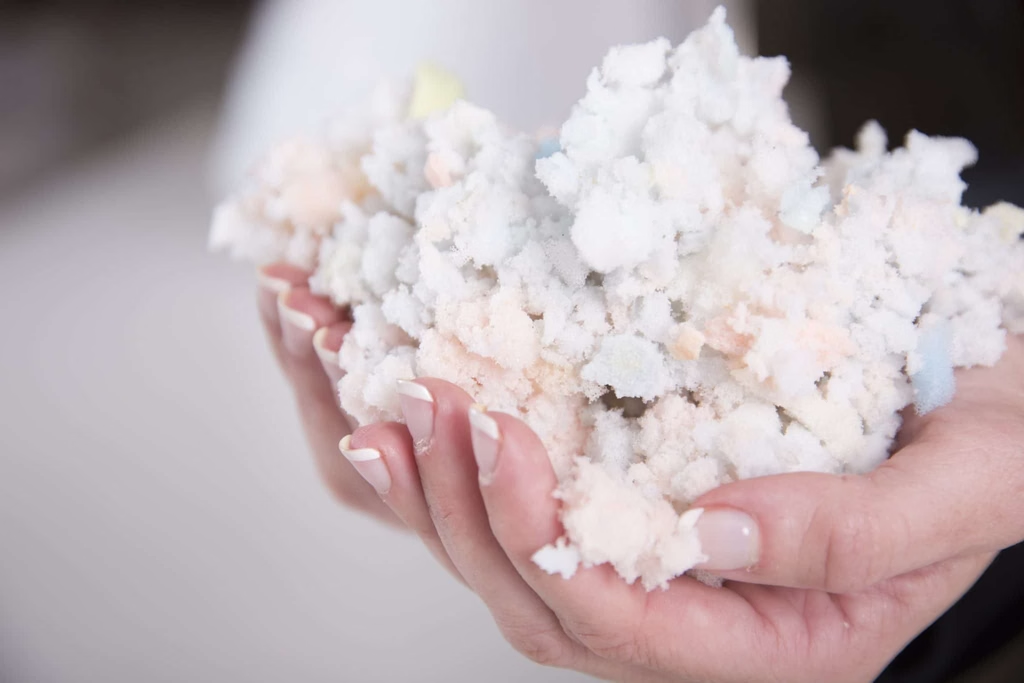
Solid foam holds its shape more precisely, useful for certain sleep positions. But it also traps heat more easily without added ventilation channels.
Open-cell foam structures and built-in airflow channels solve this same problem in solid designs. So the format itself matters less than whether airflow was actually engineered into the build.
The Cover Matters as Much as the Fill
A genuinely cooling core wrapped in the wrong cover fabric loses much of its effectiveness.
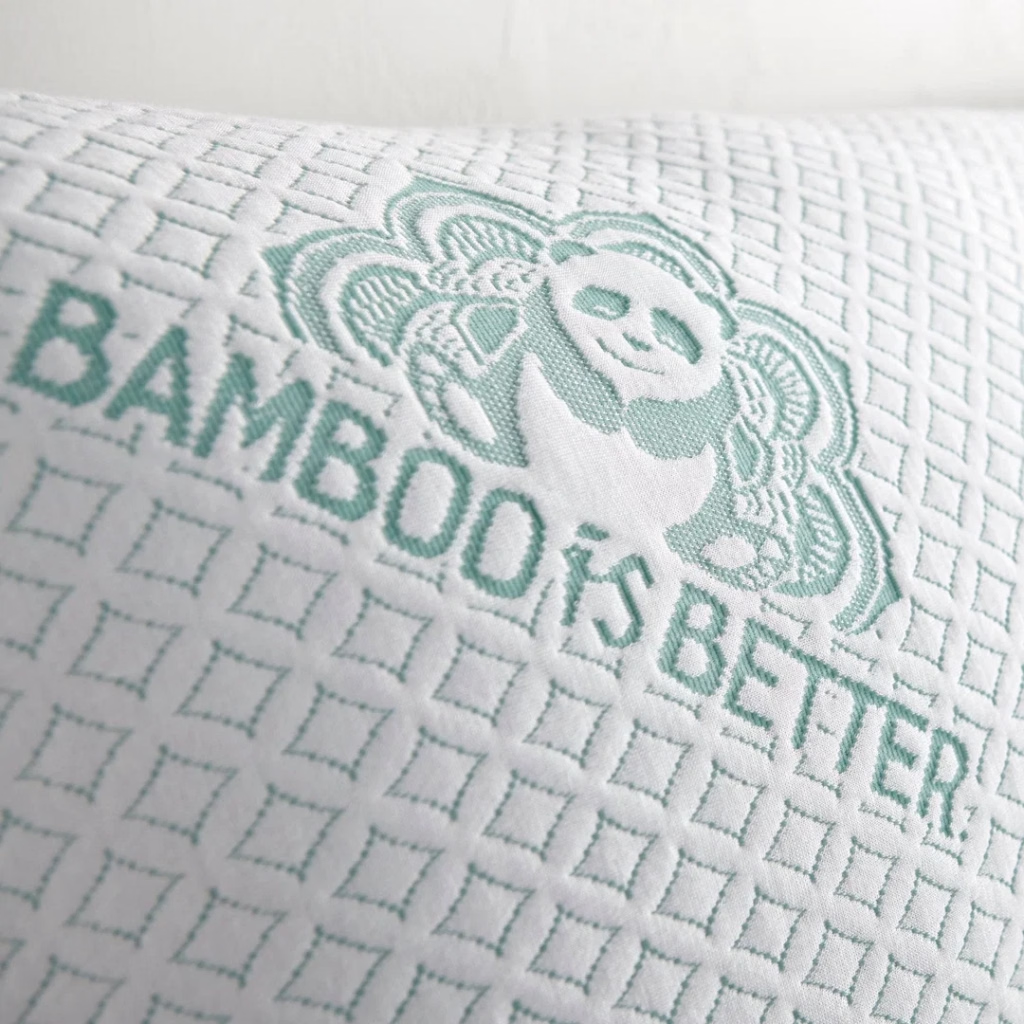
Breathable, moisture-wicking materials, cotton, TENCEL, bamboo, or specialized cooling knit fabrics, let heat and sweat actually escape instead of getting trapped against your skin overnight.
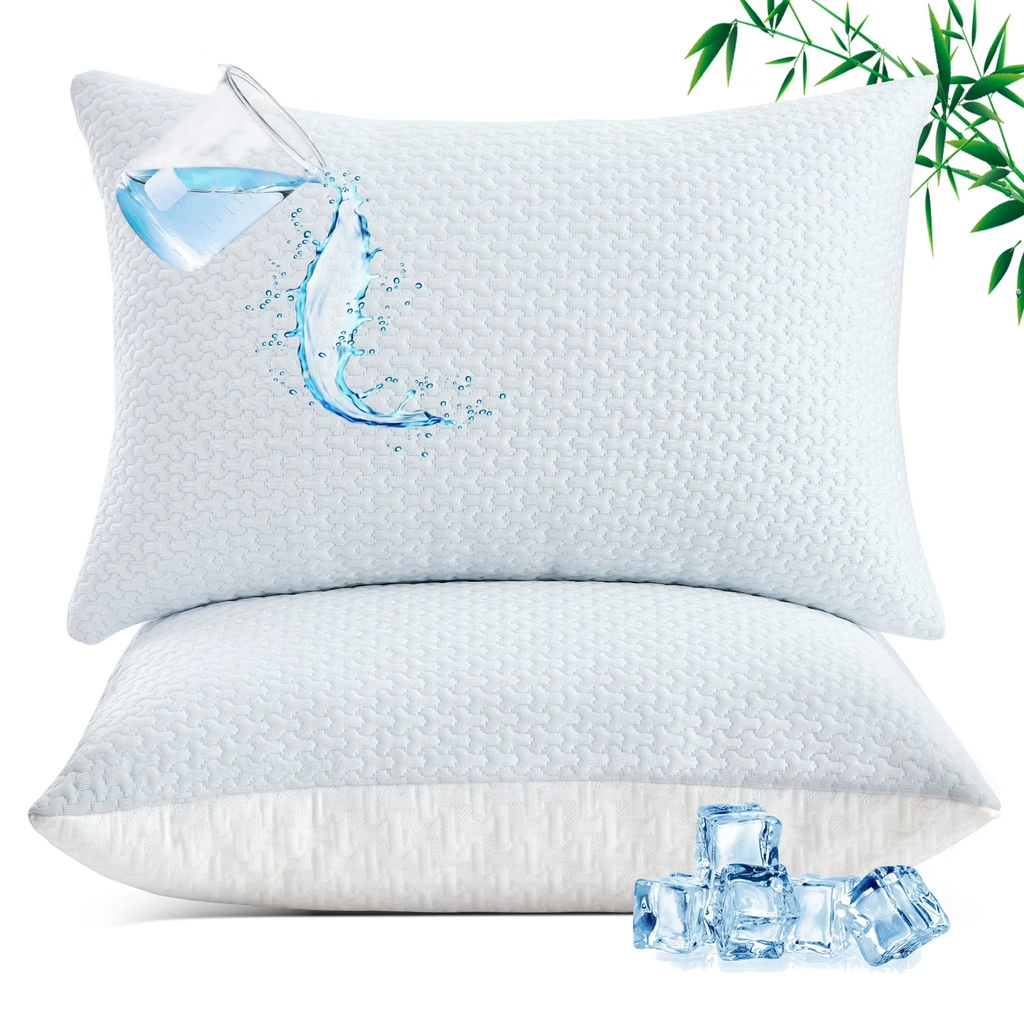

Look specifically for a removable, machine-washable cover. Cooling fabric performs best when it’s kept clean and fresh regularly, rather than absorbing oils and moisture over months of use without a wash.
Loft and Firmness Still Come First
Cooling technology means very little if the pillow doesn’t actually support your neck properly. Comfort and cooling have to work together, not compete.
Side sleepers generally need a higher loft and firmer support to keep the spine aligned. Back sleepers do best with a medium loft. Stomach sleepers typically need something lower and softer.
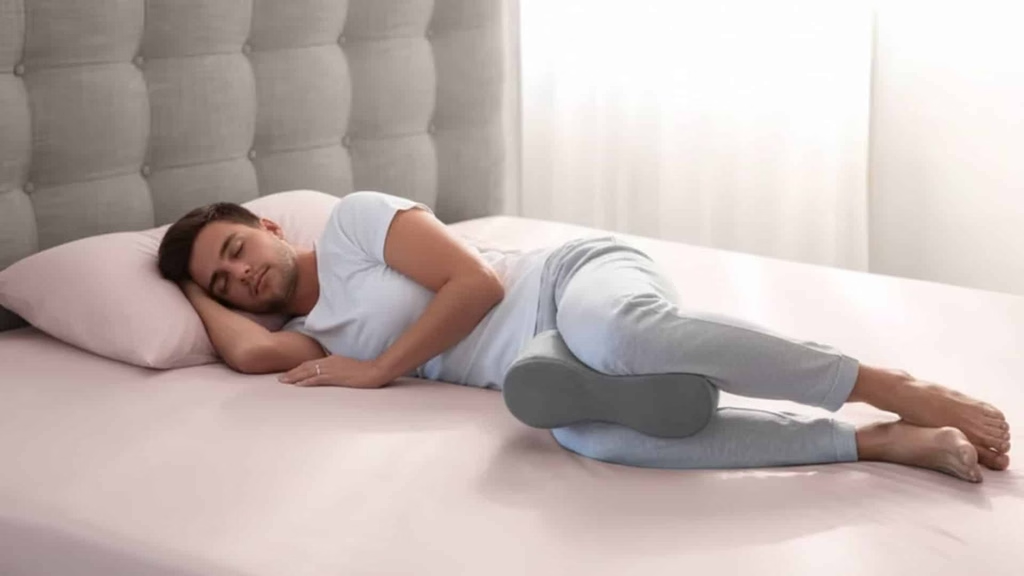
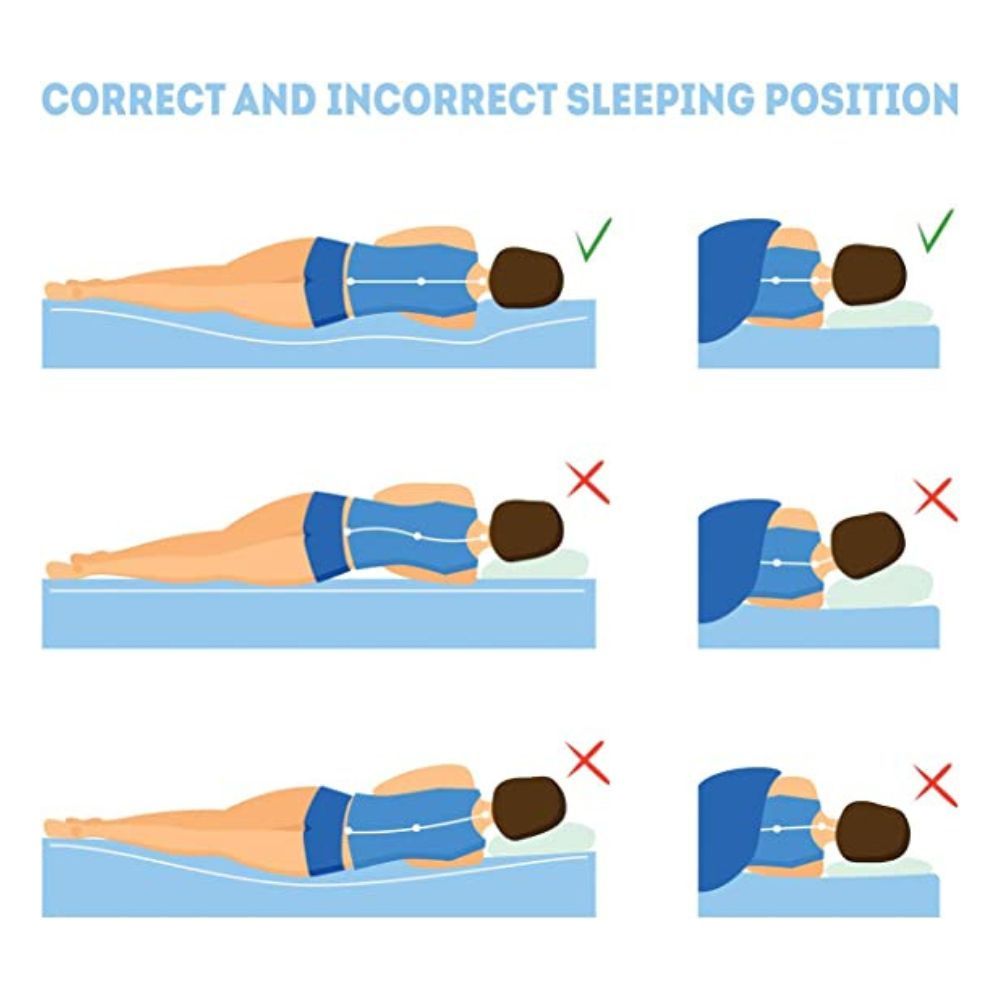
Adjustable-fill pillows solve this well for cooling designs specifically. You can add or remove shredded fill to fine-tune both height and firmness without needing to buy a different pillow for a different sleep position.
Room Temperature Is Part of the Equation Too
Even the best cooling pillow works within a system, not in isolation. Sleep experts generally recommend keeping bedroom temperature around 65 to 68°F for optimal cooling, alongside breathable bedding and good general airflow in the room.
A cooling pillow paired with heavy, synthetic sheets or a hot, stuffy room will underperform compared to the same pillow used with breathable cotton or bamboo bedding and a fan running nearby.
The pillow does real work, but it’s one piece of a broader cooling setup, not a fix on its own.
Comparison at a Glance
| Feature | What It Does | Best For |
|---|---|---|
| Gel-infused memory foam | Cool-to-touch surface, disperses heat | Reliable, entry-level cooling |
| Phase change material (PCM) | Absorbs heat on contact, faster relief | Sleepers who need stronger cooling |
| Shredded foam | Improves airflow through the pillow | Adjustable comfort and better ventilation |
| Breathable cover | Wicks moisture, releases trapped heat | Completing the cooling effect |
| Adjustable loft | Fine-tunes support by sleep position | Side, back, or combination sleepers |
Frequently Asked Questions
Do cooling pillows actually stay cool all night, or just at first? Well-designed cooling pillows using gel infusion, PCM, or good airflow structures maintain a cooler feel for longer than a standard pillow, though room temperature and bedding also affect how long that cooling holds.
What’s the difference between gel-infused foam and phase change material? Gel-infused foam creates a cool-to-touch surface and disperses heat gradually. PCM actively absorbs heat the moment you lie down and can provide significantly stronger cooling relief in comparison.
Is shredded memory foam better than solid foam for hot sleepers? Generally yes for airflow, since shredded foam allows air to circulate more freely. Solid foam can still work well for cooling if it includes open-cell structure or built-in ventilation channels.
Does the pillow cover really make a noticeable difference? Yes. A cooling core paired with a non-breathable cover loses much of its effectiveness, since trapped moisture and heat can’t escape through the fabric.
What loft is best for a hot sleeper who sleeps on their side? Side sleepers generally need a higher, firmer loft for proper spinal alignment, and an adjustable-fill cooling pillow makes it easy to dial that in without sacrificing the cooling technology.
The Bottom Line
A genuinely good pillow for hot sleepers combines several things at once: a real cooling material, gel infusion at minimum, PCM for stronger relief, airflow-friendly construction like shredded or open-cell foam, and a breathable, washable cover that lets heat actually escape.
None of that matters if the loft doesn’t support your sleep position properly, so treat cooling and comfort as equally important rather than picking one over the other.
Combine the right pillow with breathable bedding and a slightly cooler room, and the nightly flip-and-reflip cycle becomes far less necessary.
Ready to see current cooling pillow options? Explore Mellow Sleep’s pillow collection here.