Table of Contents
- Why Look Beyond Medication
- TENS Therapy: What the Research Actually Shows
- How TENS Devices Work in Practice
- Heat Therapy: The Simplest Starting Point
- Gentle Movement and Stretching
- Combining Approaches for Better Results
- Comparison at a Glance
- Frequently Asked Questions
- The Bottom Line
Why Look Beyond Medication
Period pain affects a large share of menstruating people, and for many, over-the-counter pain relievers are the default response. But not everyone wants to rely on medication every month, whether due to side effects, personal preference, or simply wanting more tools in the toolkit alongside what they already use.
Drug-free options aren’t necessarily meant to replace medication entirely for everyone. They’re worth understanding as genuine alternatives or additions, particularly for people looking to reduce how often they reach for pills.
TENS Therapy: What the Research Actually Shows
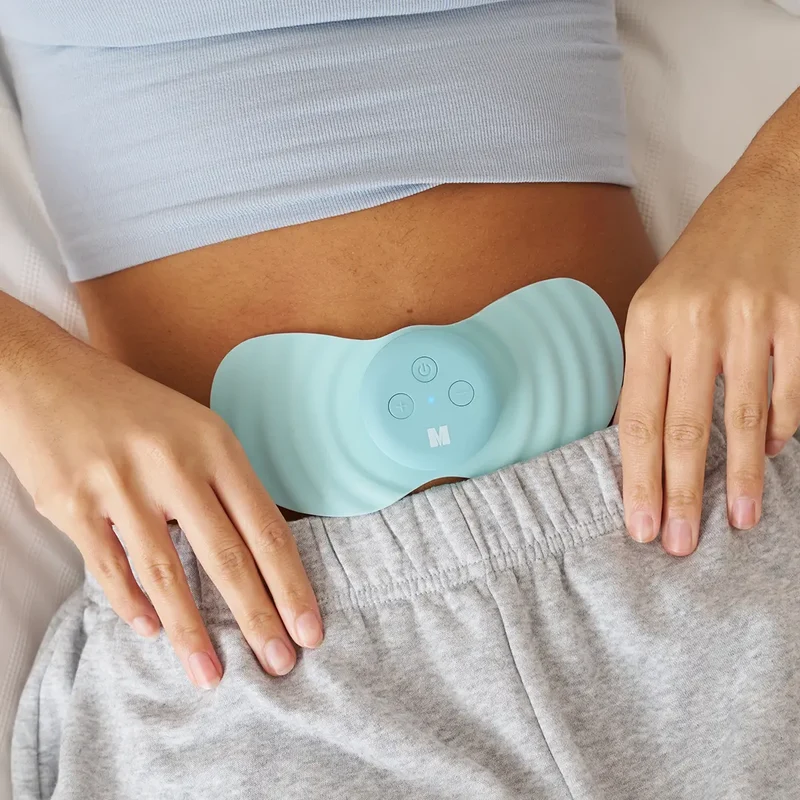
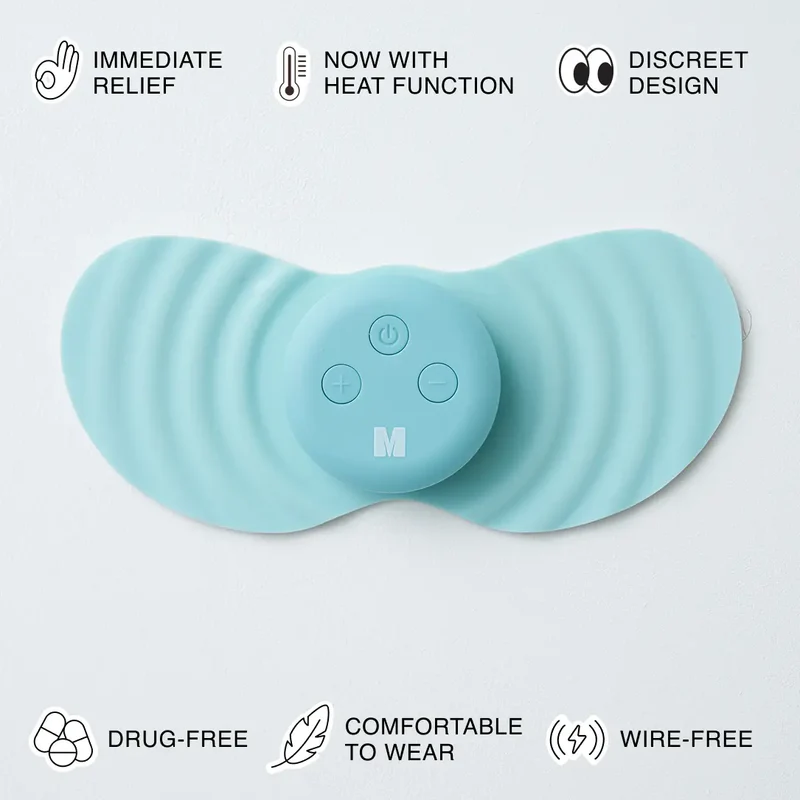
TENS, transcutaneous electrical nerve stimulation, delivers low-voltage electrical pulses through adhesive pads placed on the skin, designed to interfere with pain signals traveling to the brain.
This isn’t just marketing language, there’s real clinical research behind it. A systematic review examining TENS for primary dysmenorrhea, period pain without an underlying pelvic condition, found a significant reduction in pain when high-frequency TENS, more than 50 pulses per second, was compared against a sham device with no active pulse. That finding lines up with an earlier Cochrane review reporting similar results.
It’s worth being honest about the limits too. Pain-relieving effects generally last only while the device is actively running, and research specifically on TENS for endometriosis-related pain remains limited, with existing studies too small to draw firm conclusions yet.
How TENS Devices Work in Practice
The proposed mechanism has real scientific grounding, not just device marketing. TENS is thought to stimulate the body’s own natural pain-relieving chemicals, endogenous opioids, with different types released depending on the stimulation frequency used.
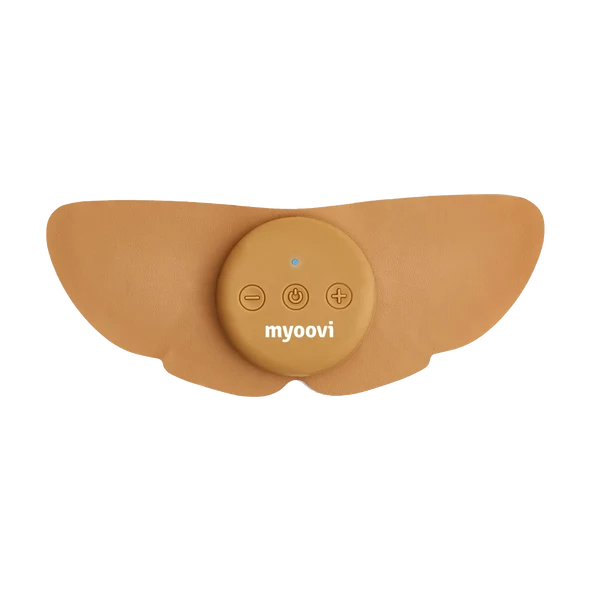
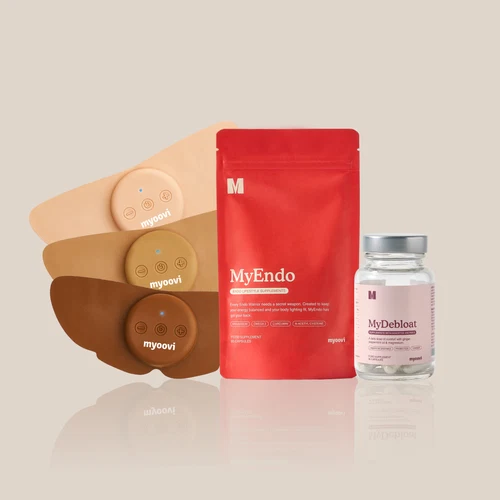
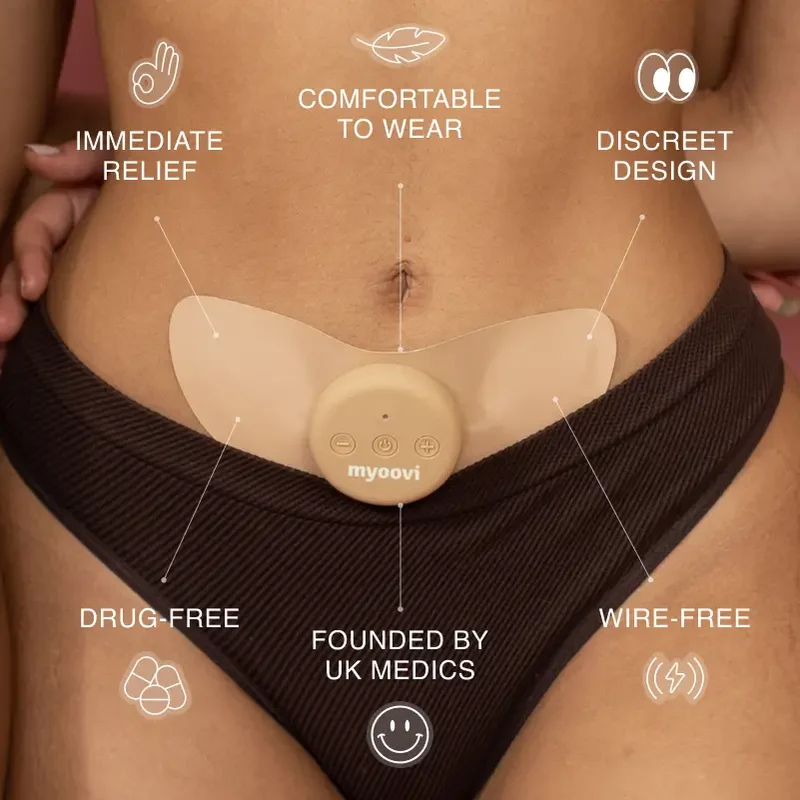
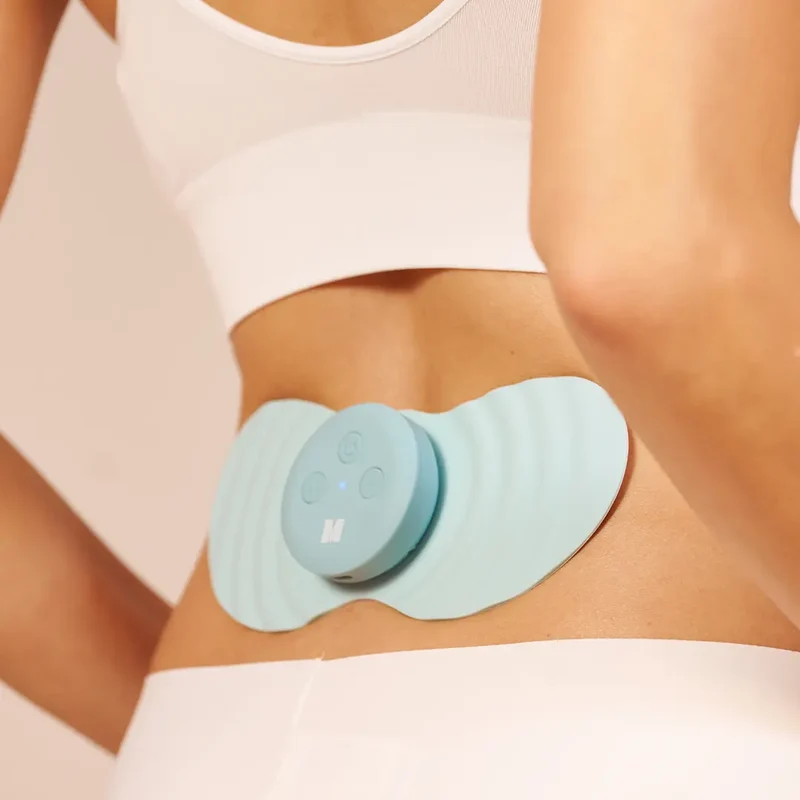
Devices like Myoovi’s period pain relief unit are worn on the lower abdomen or lower back, with adjustable intensity settings so you can find a level that delivers noticeable pulses without becoming uncomfortable. Most studies report no side effects when pads are placed correctly, though turning intensity too high can feel uncomfortable, and some people experience mild skin irritation from the adhesive itself.
If you plan to use a TENS device only occasionally, a few days a month around your cycle, a simpler model with adjustable intensity is generally sufficient without needing every advanced feature available.
Heat Therapy: The Simplest Starting Point
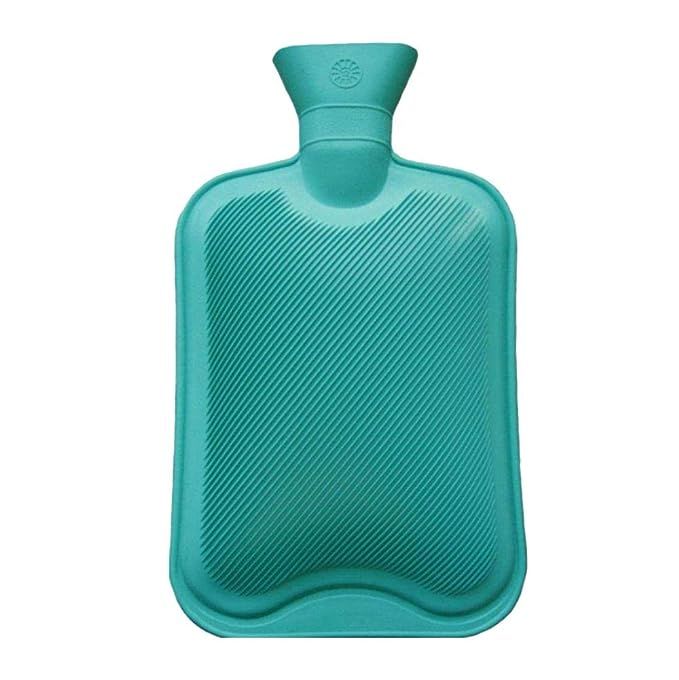
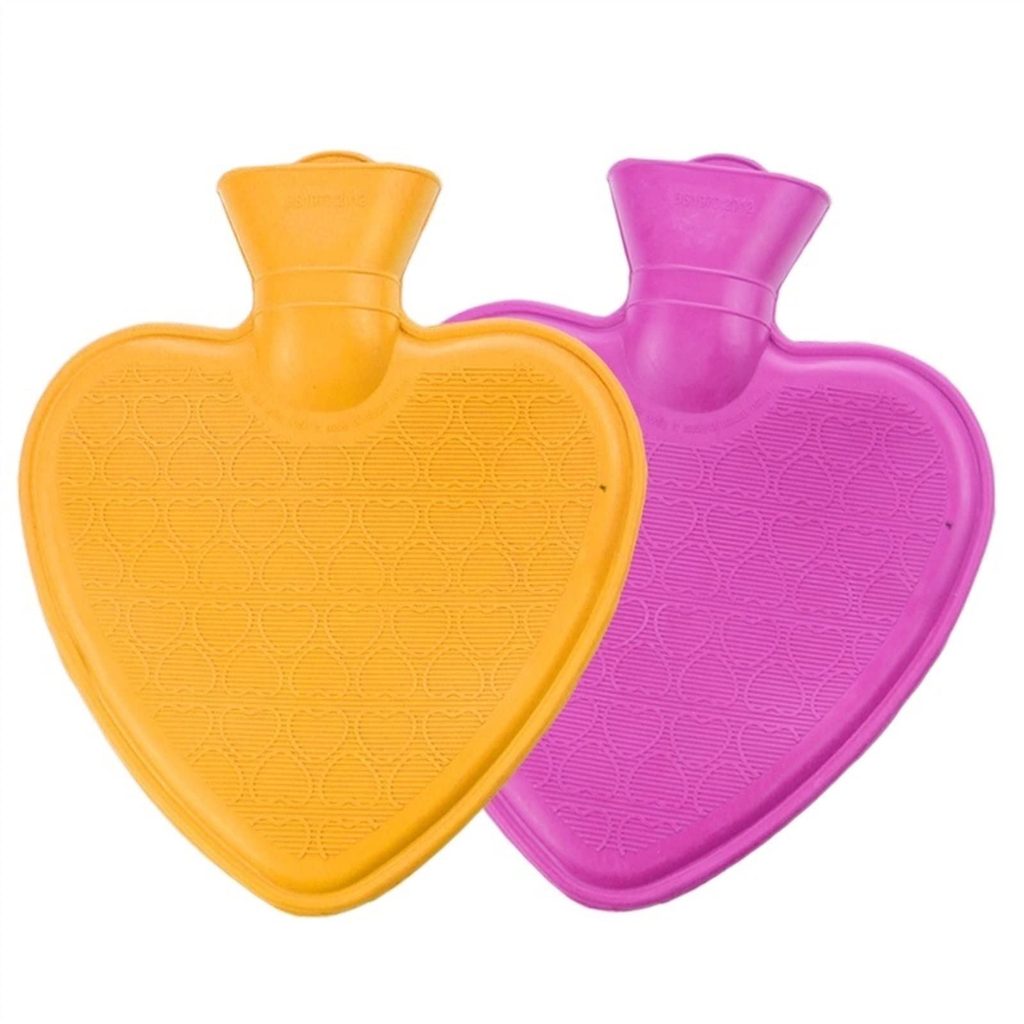
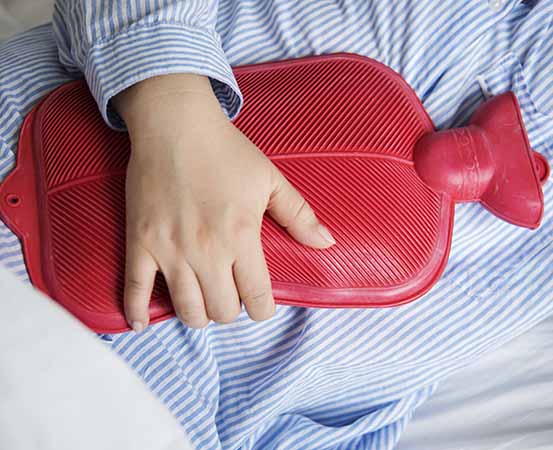
Before reaching for any device, heat therapy remains one of the most accessible and well-established drug-free options available. A hot water bottle, heating pad, or warm bath applied to the lower abdomen can help relax the uterine muscle and ease cramping.
It requires no equipment purchase or learning curve, which makes it a reasonable first step before exploring more involved options like TENS therapy. Many people combine heat with other approaches rather than relying on it alone, since it’s simple to layer alongside a device or gentle movement.
Gentle Movement and Stretching
Light physical activity, walking, gentle yoga, or targeted stretching, is commonly recommended as a complementary approach to period discomfort, even though it can feel like the last thing you want to do during a painful day.



Movement is generally thought to help by improving blood flow and potentially easing muscle tension in the pelvic area, though the effect tends to be more modest than heat or TENS therapy on their own. It works best as a supporting piece of a broader routine rather than a standalone solution for significant pain.
Combining Approaches for Better Results
None of these approaches are mutually exclusive, and combining them is a common, sensible strategy. Someone might use a TENS device during work hours when a hot water bottle isn’t practical, then switch to heat and rest once they’re home.
The healthcare guidance around TENS specifically notes it can be combined with other pain-reduction techniques, like heating pads or gentle exercise, for more complete relief. Individual response varies meaningfully from person to person, so what works well for one person’s cramps may need adjusting, different pad placement, intensity, or a different combination entirely, for someone else.
Comparison at a Glance
| Option | How It Works | Best For |
|---|---|---|
| TENS therapy | Electrical pulses interfere with pain signals | Ongoing, adjustable relief during the day |
| Heat therapy | Relaxes uterine muscle, eases cramping | Simple, no-equipment starting point |
| Gentle movement | Improves blood flow, eases tension | Supporting a broader pain routine |
| Combined approach | Layers multiple methods together | More complete, flexible relief |
Frequently Asked Questions
Is there real clinical evidence that TENS helps with period pain? Yes. A systematic review found a significant reduction in pain with high-frequency TENS compared to a sham device, consistent with an earlier Cochrane review, though effects typically last only while the device is active.
Does TENS work for endometriosis-related pain the same way? Research here is still limited. Existing studies are small and lack proper control groups, so more research is needed before drawing firm conclusions specifically for endometriosis pain.
Are there side effects to using a TENS device? Most studies report no side effects when pads are used correctly on the abdomen or lower back. Turning intensity too high can be uncomfortable, and some people experience mild skin irritation from the adhesive.
Can I combine TENS with heat therapy or medication? Yes, combining approaches is common and generally considered reasonable. Many people layer TENS, heat, and gentle movement together rather than relying on just one method.
How do I know what TENS intensity to use? The device should be turned up high enough to deliver noticeable pulses without becoming painful. If you only plan to use it occasionally, a simpler model with adjustable intensity is usually enough.
The Bottom Line
Drug-free period pain relief isn’t a single solution, it’s a set of tools worth understanding on their own merits. TENS therapy has real clinical research behind it for standard period pain, heat therapy remains a simple, accessible starting point, and gentle movement can support both. Individual response varies, so it’s worth experimenting with what combination actually works for your body rather than assuming one method will work identically for everyone. As always, if pain is severe or persistent, it’s worth discussing with a doctor to rule out an underlying condition.
Ready to explore a drug-free option for your own routine? Check out Myoovi’s period pain relief device here.