Table of Contents
- Why Most Wellness Routines Fail Fast
- Start With One Anchor Habit
- Morning: Set the Tone, Don’t Overload It
- Midday: The Part Everyone Skips
- Evening: Wind Down Instead of Wind Up
- Where Supplements Actually Fit In
- Consistency Beats Intensity
- A Simple Weekly Framework
- Frequently Asked Questions
- The Bottom Line
Why Most Wellness Routines Fail Fast
Most wellness routines don’t fail because the habits are wrong. They fail because they’re built like a checklist instead of a life, ten new things starting Monday, all at once, with zero room for a bad night’s sleep or a chaotic week at work.
That approach rarely survives past week two. A routine built around a handful of genuinely sustainable habits, ones you could still do on your worst day, holds up far longer than an ambitious one that collapses the first time life gets busy.
Start With One Anchor Habit
Before adding anything, pick a single anchor habit, something small enough to do every day regardless of mood or schedule. A short walk, a glass of water before coffee, five minutes of stretching. The specific habit matters less than the fact that it’s genuinely realistic.
Once that one habit runs on autopilot for a couple of weeks, add the next one. Building a routine this way, one layer at a time, is slower to look impressive but far more likely to actually stick past the initial motivation.
Morning: Set the Tone, Don’t Overload It
Mornings don’t need an elaborate ritual to be useful, they need one or two things done consistently. Getting natural light early in the day, moving your body even briefly, and giving your first meal or drink some intention are the pieces that tend to matter most.

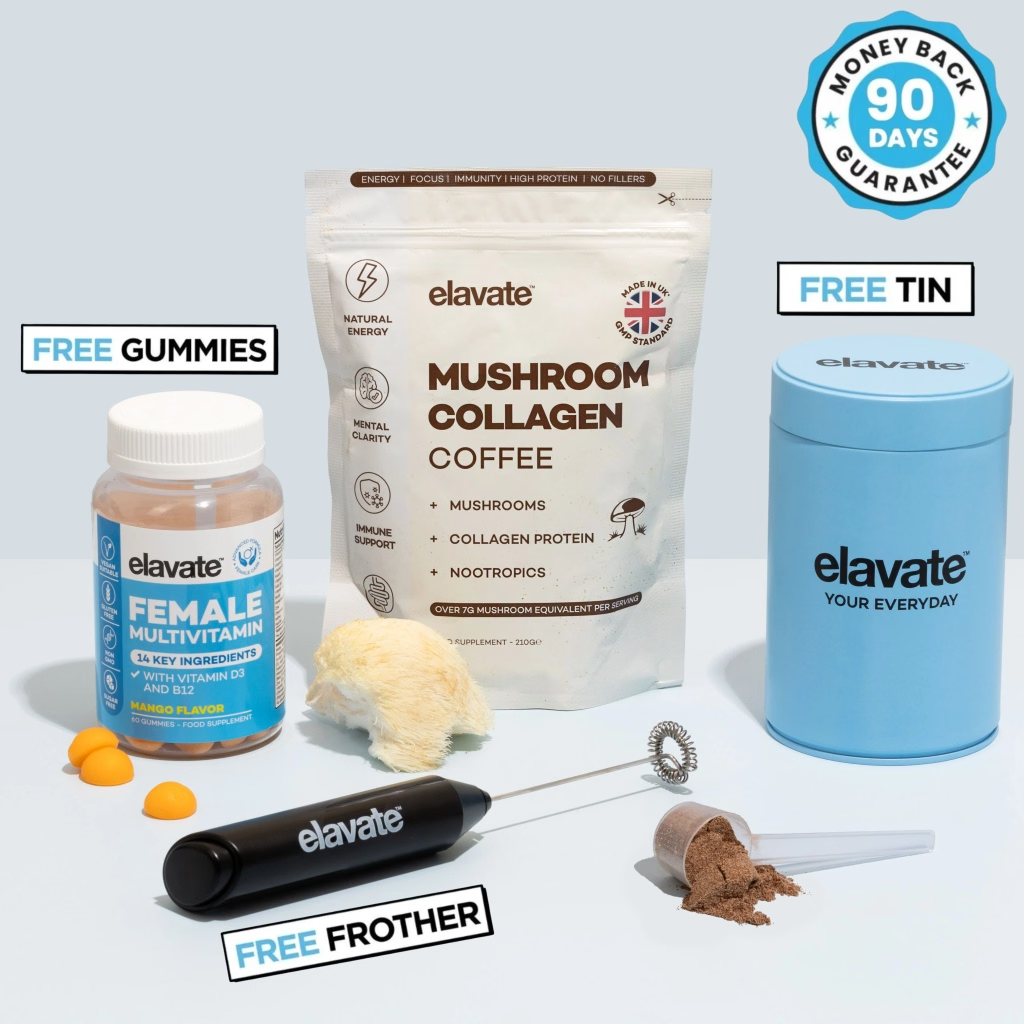

This is also where a lot of people fold in something like a daily collagen or nutrient drink, Elavate’s Multi-Collagen Superblend, for example, mixes into coffee, water, or a smoothie in seconds, which is exactly the kind of low-effort addition that survives a busy morning rather than getting skipped.


The goal isn’t a longer routine, it’s picking one or two morning actions that genuinely fit into how your mornings already go.
Midday: The Part Everyone Skips
Midday wellness gets ignored constantly, mostly because it competes directly with work, meetings, and general momentum. But a short reset here often does more for the rest of your day than anything you did before 9 a.m.



This can be as simple as stepping outside for a few minutes, actually eating away from a screen, or a two-minute breathing reset between tasks. None of this requires blocking real time on a calendar, it just requires noticing the point in the day where energy usually dips and inserting something small there instead of reaching for more caffeine automatically.
Evening: Wind Down Instead of Wind Up
Evenings are where most wellness routines quietly fall apart, usually because the day’s stress gets carried straight into bed. A short wind-down window, even just 15 to 20 minutes without a screen, signals to your body that the day is actually ending rather than just stopping.



Consistency matters more here than any specific ritual. Going to bed and waking up at roughly the same time most days does more for how you feel than an elaborate nighttime routine you only manage half the week.
Where Supplements Actually Fit In
Supplements work best as a small, consistent piece of a routine, not a substitute for the habits around them. Many people build them into an existing anchor, taking a collagen blend or multivitamin at the same time each day, right after brushing teeth, alongside breakfast, so it never becomes a separate thing to remember.
It’s worth setting realistic expectations too. Most people who stick with a daily collagen routine report noticing changes only after consistent use over several weeks, not overnight, which is a good reminder that wellness habits in general reward patience over intensity. As always, check with a doctor before adding any new supplement if you’re pregnant, breastfeeding, or managing an existing health condition.
Consistency Beats Intensity
This is the single biggest shift that makes a wellness routine actually last: stop optimizing for the perfect day and start optimizing for the doable day. A 10-minute walk done five days a week beats an hour-long workout you manage once and then avoid out of guilt for the rest of the month.
Track your response to changes loosely rather than obsessively, note how you feel, sleep, and focus over a few weeks rather than judging any single day. Habits that survive a bad week are the ones that eventually become permanent.
A Simple Weekly Framework
| Time of Day | Focus | Example Habit |
|---|---|---|
| Morning | Set a steady tone | Natural light, movement, or a nutrient drink |
| Midday | Reset energy | Short outdoor break, screen-free meal |
| Evening | Wind down | Screen-free window, consistent bedtime |
| Ongoing | Build slowly | Add one new habit only once the last one sticks |
Frequently Asked Questions
How long does it take for a wellness routine to actually feel automatic? Most habits take a few weeks of consistent repetition before they stop requiring conscious effort. Starting with one habit at a time makes that process noticeably faster and more sustainable.
Do I need a long morning routine for it to be effective? No. One or two consistent actions, natural light, movement, or a simple nutrient habit, tend to matter more than a long, elaborate checklist that’s hard to repeat daily.
When should I take a daily supplement like collagen for the best routine fit? Pairing it with an existing daily habit, like your morning coffee or breakfast, makes it far easier to remember consistently than treating it as a separate task.
How quickly do people usually notice results from daily supplement use? Most reported changes come after weeks of consistent use rather than immediately, which is worth expecting going in so you don’t abandon a habit too early.
What’s the best way to restart a wellness routine after falling off track? Go back to a single anchor habit rather than trying to restart everything at once. Rebuilding gradually is far more sustainable than attempting a full relaunch overnight.
The Bottom Line
A wellness routine that actually lasts isn’t the most impressive one, it’s the one built around habits you can realistically repeat on an average, imperfect day. Start with a single anchor habit, layer in morning, midday, and evening pieces slowly, and let supplements support the routine rather than define it. Consistency, not intensity, is what turns a routine into something that’s just part of how you live.
Ready to make one part of your routine simpler? Explore Elavate’s daily wellness essentials here.